Coastal living offers many benefits, but it also exposes tile roofs to some of the harshest environmental conditions. Salt-laden air, strong winds, intense UV radiation and persistent moisture can accelerate wear and cause problems to develop much faster than they might on inland properties. Understanding these challenges can help homeowners protect their roof’s performance, appearance and long-term durability, especially when considering roof restoration in Newcastle.
Town and Country Roof Restoration explores the most common tile roof problems found in coastal areas and how they affect concrete and terracotta roofing systems. This article also highlights the warning signs that repairs may no longer be enough and when more extensive restoration work may be required to protect the property from ongoing damage.
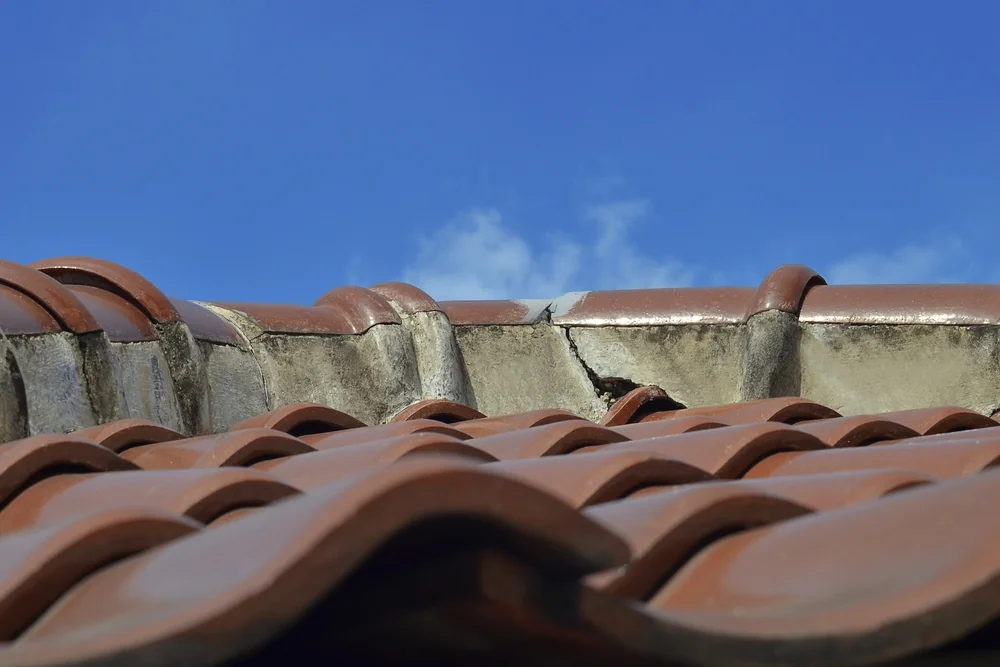
Tile roofs in coastal suburbs face a harsher environment than those further inland. Salt-laden air, onshore winds, moisture and high UV exposure all place extra strain on tiles, ridge capping, flashings, fixings and drainage areas. Problems that might take decades to appear on an inland roof can often show much earlier near the coast.
Understanding how coastal conditions affect a tile roof helps explain why regular inspections, timely maintenance and suitable materials are so important in these locations. The issues are not only cosmetic. They can affect weather tightness, structural soundness and the long-term cost of maintaining a home near the ocean.
Sea spray and airborne salt crystals can travel surprisingly far inland. This salty moisture settles on tiles, ridge capping and metal fixtures, then holds additional moisture on the roof surface.
On concrete tiles, ongoing salt and moisture exposure can accelerate surface erosion and make the tile more porous. This may lead to faster colour fade, increased moss and lichen growth and small cracks that allow water to penetrate. On glazed terracotta tiles, the glaze can craze over time, creating tiny pathways for moisture to reach the clay body underneath.
Metal roof components are also at risk. Salt acts as an electrolyte and speeds up corrosion wherever protective coatings are thin, scratched or damaged. Once corrosion starts on a valley, flashing or fixing, it can progress quickly in a coastal setting and compromise nearby tiles or roof details.
Coastal areas often experience higher wind speeds and sudden gusts compared with sheltered inland locations. A tiled roof must cope with uplift as well as sideways force as wind moves over and around the building.
Inadequate fixings, old clips or corroded nails are more likely to fail under coastal wind loads. Once a single tile becomes loose, surrounding tiles can shift more easily and the problem can spread across a section of the roof. Wind-driven rain can then find pathways under the tiles at laps, valleys and around penetrations.
Ridge and hip tiles are especially exposed. Strong gusts can loosen poorly bonded bedding and pointing, creating openings for water and further wind intrusion. Over time, this cycle of movement and minor water entry can damage sarking, insulation and internal ceilings.
Coastal roofs are often highly exposed, with limited shade and additional reflected heat from nearby water, paving or sand. This increases surface temperatures and widens the daily temperature changes the roof must absorb.
Concrete and terracotta tiles expand in heat and contract as they cool. Repeated thermal movement can gradually open hairline cracks in older or weathered tiles and can cause pointing to separate from ridge tiles sooner than expected.
UV radiation also degrades surface finishes and sealants over time. Roof coatings, flexible pointing compounds and underlay adhesives can become brittle earlier in coastal areas, especially when the roof is already weathered or poorly maintained.
Cracked, chipped or slipped tiles are among the most common problems found on coastal tile roofs. They are often one of the first visible signs that the roof surface is losing strength or stability. Left unattended, they can allow wind-driven rain and salt-laden moisture to penetrate the roof system, leading to leaks, damaged sarking and timber deterioration.
These defects tend to develop faster near the coast because tiles are exposed to salt, high UV levels, wind and airborne debris. Identifying them early is important for keeping the roof watertight and preventing isolated damage from spreading.
Salt and moisture are major contributors to tile deterioration near the coast. Salt crystals settle on the tile surface and attract moisture. As this moisture repeatedly absorbs and dries, it can contribute to surface wear, micro-cracking and eventual chips or cracks.
Strong coastal winds can also drive sand, leaves and debris across the roof surface. This abrasive action gradually wears down exposed tile edges and can contribute to surface spalling, especially on older concrete tiles. When combined with general age, foot traffic or impact damage, coastal exposure can make tiles more likely to crack or break.
Slipped tiles are common on coastal roofs because wind uplift and deteriorating fixings place constant pressure on the roof covering. Salt air accelerates corrosion of nails, clips and screws. Once these fixings weaken, tiles can shift, slide out of position or lift during strong gusts.
Ridge and hip areas can also contribute to tile movement. When mortar bedding cracks or flexible pointing fails, the tiles it supports can gradually move out of alignment. This creates gaps where wind-driven rain can enter and may allow more tiles to loosen over time.
Inadequate installation or previous patch repairs can make the issue worse. Tiles that are not correctly seated on battens, or clips that are not suited to the roof profile or coastal conditions, are more likely to move under sustained wind pressure.
Ridge capping is the line of tiles or capping pieces that run along the peak and hips of a tiled roof. In coastal areas, this is one of the first places to show damage because it is fully exposed to wind, salt spray, sun and temperature movement. When the bedding and pointing that hold the ridge capping in place begin to fail, the roof becomes more vulnerable to water ingress and storm damage.
Understanding how ridge capping, bedding and pointing deteriorate makes it easier to recognise early warning signs and arrange repairs before loose tiles, leaks or structural damage develop.
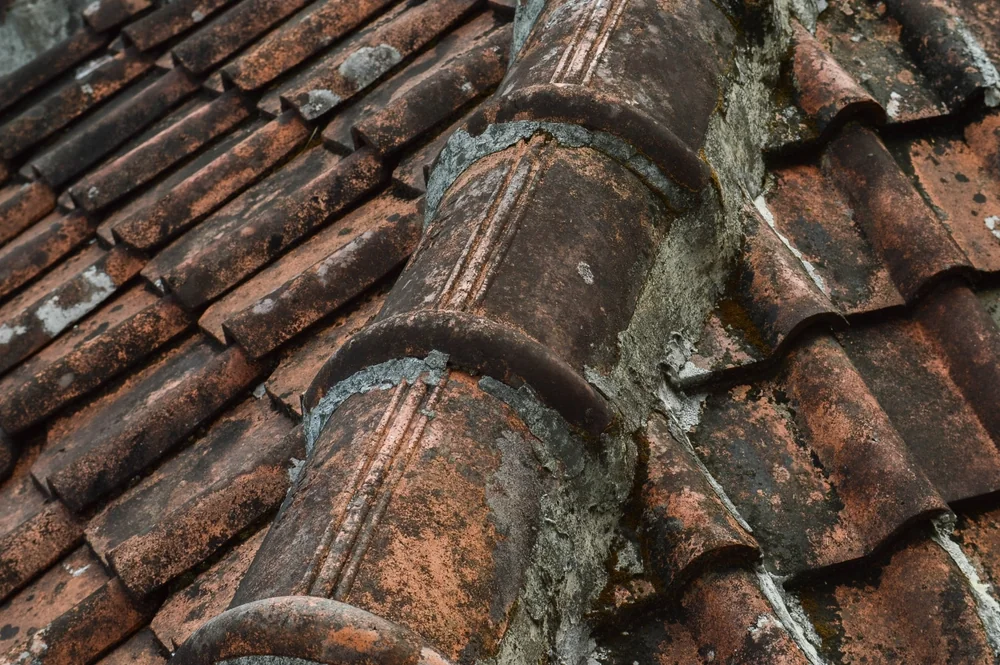
Traditional bedding is a sand and cement mortar used to set ridge caps in position. Flexible pointing is then applied over the top to seal joints and accommodate minor movement. In coastal areas, both layers work harder because the roof is exposed to salt, moisture, wind and heat.
Salt-laden moisture can penetrate small cracks in mortar and contribute to deterioration. If nearby metal fixings rust and expand, the surrounding bedding can fracture. Strong winds then place further pressure on the ridge line, allowing cracks and gaps to widen.
Thermal movement is another common factor. Roof surfaces expand and contract as temperatures change throughout the day. Older cement pointing can become brittle and pull away from the ridge tiles and field tiles, leaving fine gaps where rain can be drawn in.
Many ridge capping issues can be noticed from ground level with a careful visual check. Common signs include cracked or missing mortar under ridge tiles, hairline splits along the pointing and lifted or uneven ridge caps that no longer form a straight line.
Other indicators include moss or lichen growth along the ridge, small pieces of mortar or pointing material in gutters or on the ground after high winds, and ceiling stains that appear below ridge or hip lines after heavy rain. Any ridge cap that appears loose or displaced should be assessed promptly, as movement can quickly worsen in windy coastal conditions.
Effective repair in coastal areas involves more than simply patching visible cracks. A sound approach usually includes removing loose or drummy ridge caps, raking out deteriorated bedding, replacing it with suitable roof bedding mortar and applying a modern flexible pointing compound designed to cope with movement.
Where rusted nails or clips are present, these should be replaced with corrosion-resistant fixings to reduce the risk of repeat failure. On older roofs, it may be more reliable to rebed and repoint the full ridge and hip system rather than carry out isolated spot repairs that leave weaker sections untouched.
Moss and lichen are common on tile roofs in coastal regions. Sea air, salt-laden winds, frequent rain and heavy dew can keep tiles damp for longer periods, creating ideal conditions for organic growth to spread.
Left unmanaged, this growth does more than affect appearance. Moss and lichen hold moisture against the tile surface, encourage surface wear and can contribute to leaks and premature roof deterioration. Understanding why it occurs and how to control it is important for protecting a tiled roof in coastal climates.
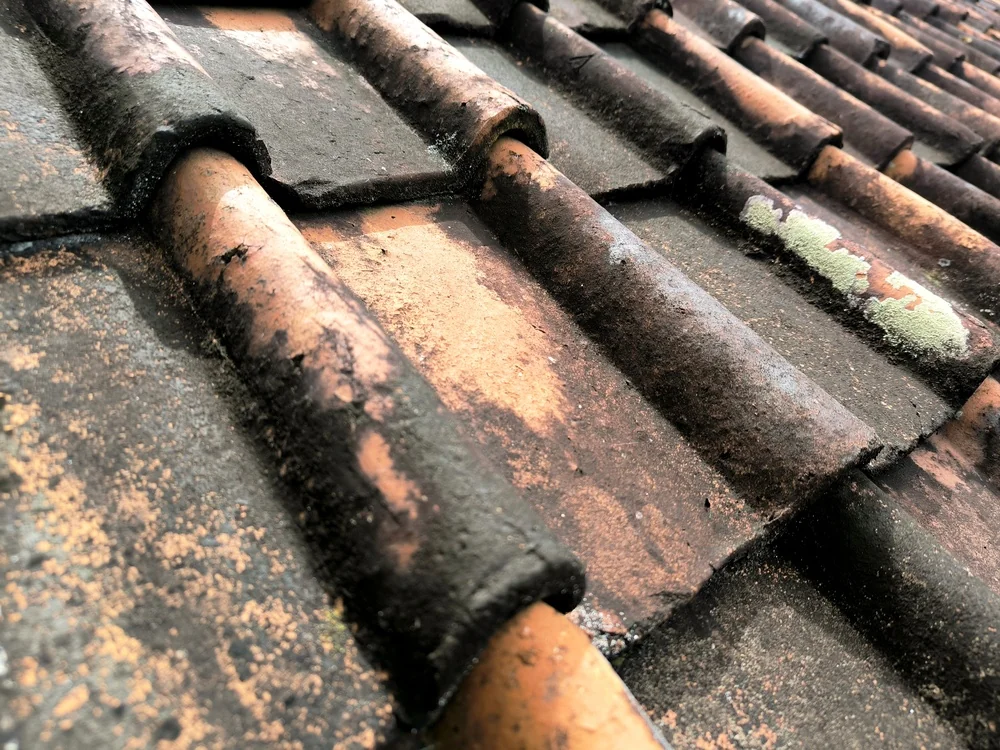
Coastal areas often have higher humidity and less time for roof surfaces to dry after rain. Shade from nearby trees, roof features or neighbouring buildings can slow drying even further. As concrete and terracotta tiles age, they may also become more porous, allowing moisture to remain on the surface for longer.
Moss prefers rough, damp surfaces and often begins in tiny pits, laps and hairline cracks. Lichen adheres strongly to tile surfaces and can survive in harsh conditions. Both spread through airborne spores, which coastal winds can easily carry from nearby trees, older roofs or surrounding natural areas.
The main risk is prolonged moisture contact. Moss acts like a sponge, absorbing water and holding it against the roof long after rain has stopped. This extended dampness can weaken the tile surface and accelerate erosion of concrete tiles or deterioration of terracotta glazing.
When moss grows in tile laps, valleys and around ridge caps, it can also interfere with normal water flow. Water that should run freely to the gutter may be redirected sideways or pushed beneath tiles, increasing the chance of water ingress, wet insulation and stained ceilings.
Regular visual checks from ground level are important. Green or dark patches often appear first in shaded areas, near valleys, behind chimneys or along ridge lines. Early treatment is generally easier and gentler on tiles than removing heavy, established growth.
Cleaning methods need to protect both the roof and the surrounding property. Excessive high-pressure washing can strip the protective surface of tiles and open the pores. Chemical treatments should also be selected carefully so runoff does not damage gutters, painted surfaces, gardens or nearby waterways.
Once growth is removed, sealing or recoating suitable tile types can help reduce porosity and slow future growth. Trimming overhanging branches, improving airflow, keeping gutters clear and addressing areas where water ponds on the roof can also reduce the damp conditions moss and lichen need to thrive.
Blocked valleys and gutters are among the most common causes of water problems on coastal tile roofs. Salt-laden air, fine sand, leaf litter and bird nesting material can collect quickly, restricting water flow and forcing rain to back up under tiles. Once water is diverted from its intended path, it will usually find the weakest point in the roof system.
Effective drainage depends on clear pathways through valleys, gutters and downpipes. Any obstruction in these areas increases the risk of internal water damage, tile deterioration, mould growth and fascia or soffit rot during coastal storms and heavy downpours.
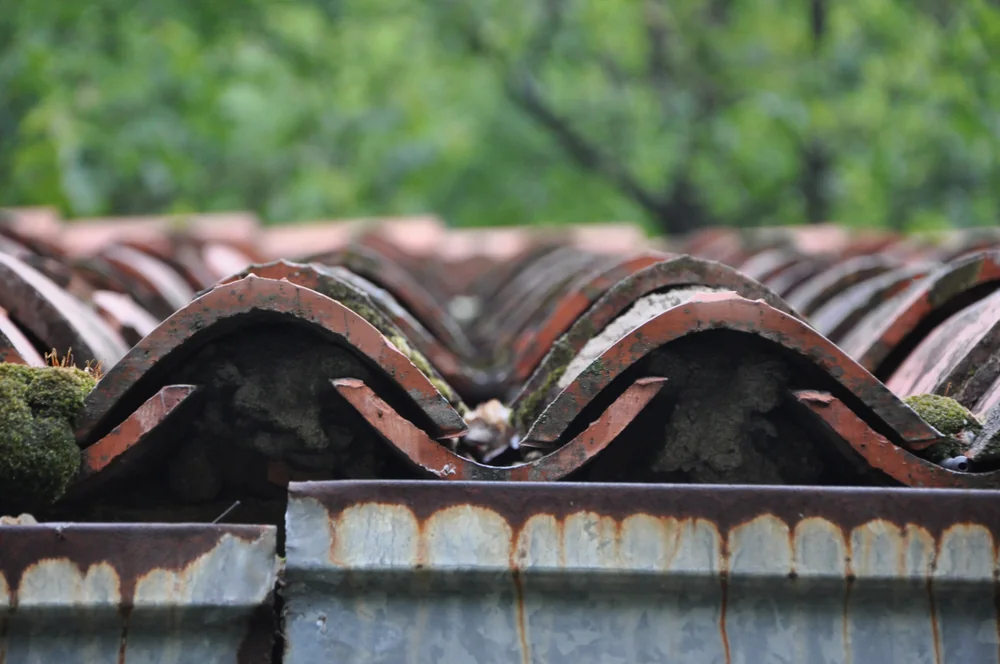
Roof valleys carry large volumes of water off the roof, which means even minor blockages can create problems during heavy rain. Wind can drive sea mist, fine debris and vegetation into these low points. Overhanging trees, especially eucalypts and palms, can drop leaves and fronds that quickly form dense mats in valleys and gutters.
Salt crystals can also combine with dust and organic material to create a sticky residue on metal valley trays and gutter linings. This residue traps more debris and can accelerate corrosion at fixing points, laps and joints. Coastal birds may also drop nesting materials into valley entries and gutters, further restricting water flow.
Physical improvements can reduce blockages and water tracking issues. Appropriately sized and correctly pitched gutters help water move away faster during heavy rain. Leaf guards or gutter protection systems may be useful on tree-lined streets, but they need to suit the roof profile and coastal corrosion conditions.
Correctly detailed valley cuts on tiles and suitable end dams at valley terminations help keep wind-driven rain within the metal channel instead of allowing it to track beneath adjacent tiles. Any signs of ponding, corrosion or deformation in valleys and gutters should be addressed promptly. Replacing rusted sections, resealing joints and adjusting falls to downpipes can provide a more reliable drainage path and reduce avoidable water ingress.
Leaks rarely start in the middle of a tile. They usually begin at junctions where different materials meet or where the roof changes direction. Flashings, valleys and penetrations such as vents, flues, solar mounts and skylights are especially vulnerable because salt-laden air, wind-driven rain and roof movement constantly stress these details.
When these junctions are not detailed correctly or have started to deteriorate, water can travel under tiles and appear metres away inside the home. Understanding where these leaks start and what warning signs to look for can help prevent hidden moisture damage to timber framing, ceilings and insulation.
Flashings are metal or flexible components that create a waterproof bridge between tiles and vertical surfaces. In coastal environments, metal flashings are exposed to higher corrosion risk. Small pinholes, lifted edges or rusted sections can allow water to track behind tiles instead of draining away.
Common causes of flashing leaks include poor overlap with tiles, perished sealant, wind uplift and loose fixings. In some older homes, cement mortar may have been used around side flashings instead of modern flexible products. When this mortar cracks from building movement, it can leave small entry points for wind-driven rain.
Early signs include staining on internal walls near roof junctions, damp ceiling patches after heavy onshore winds and visible rust on exposed flashing edges. Preventative maintenance may involve removing debris, treating early rust, resealing laps and upgrading to materials better suited to coastal exposure.
Valleys are internal drainage channels where two roof slopes meet. On tile roofs, these are usually formed with a metal valley tray that directs water to the gutter. Valleys carry heavy water loads during storms, and wind-driven rain can push water sideways under tiles if clearances are incorrect or the valley is partly blocked.
Warning signs include damp lines on ceilings that follow the direction of the valley, water staining near internal room corners and drips during extended heavy rain. Regular valley clearing, replacement of rusted trays and adjustment of tile cuts and seals can help prevent recurring leaks.
Every penetration through a tiled roof requires specialised flashing, a boot or a correctly detailed weatherproof seal. Plumbing vents, range hood flues, solar mounts and skylights all create potential leak points. In coastal environments, rubber seals can harden and crack faster, while cheaper metal collars may corrode around fixings.
Leaks at penetrations often start small, with moisture tracking down the outside of pipes or frames before appearing as ceiling spots around light fittings or beneath skylights. Poorly fitted or DIY penetrations that rely heavily on sealant instead of properly formed flashings are especially prone to failure in coastal winds.
Effective control involves checking penetrations for cracked rubber boots, deteriorated sealants, loose fixings and rust staining. Damaged parts should be replaced with UV-stable and corrosion-resistant products, and tiles should be correctly cut and lapped so water flows over the roof surface rather than underneath it.
Minor tile roof repairs can often keep a coastal roof performing well for many years. However, there comes a point where continued patching is no longer cost-effective or reliable. In some cases, more extensive restoration, partial replacement or full re-roofing may be the safer long-term option.
Recognising when repairs are only buying short-term time is important. Ignoring the warning signs can lead to hidden structural damage, repeated water ingress and interior repairs that become more expensive than dealing with the roof properly.
Timber roof structures can suffer from long-term moisture exposure, leaks and poor ventilation. If the roof frame, battens or support elements are compromised, repairing only the tile surface may not be enough.
Important warning signs include:
A comprehensive inspection is essential when structural issues are suspected. If deeper repairs are required, it may be more practical to combine that work with a major roof restoration or full tile replacement rather than repeatedly patching visible defects while hidden damage continues.
There is a point where the cumulative cost of ongoing repairs can outweigh the value of investing in a more durable long-term solution. This is especially true on coastal roofs where salt, wind and moisture continue to expose weak areas.
Signs that repairs may no longer be the best approach include:
A planned roof replacement or full restoration at this stage can reduce long-term repair costs and provide more reliable protection against severe weather than ongoing short-term fixes.
Tile roofs in coastal environments face constant exposure to salt, moisture, wind and UV radiation. These conditions can accelerate tile deterioration, corrosion, drainage problems and leaks if issues are left unresolved. Regular inspections, timely maintenance and the use of suitable materials for coastal conditions all help preserve roof performance and extend service life. With the right approach, a tile roof can remain durable, weather-resistant and visually appealing despite the demands of a coastal climate.
No job and no roof is too big for our team of roofing contractors. We have the experience, skills and equipment to make your roof look and function the way you’d like it to.
Whether you want to paint your roof or remove asbestos, we can help!

