Living near the coast offers incredible lifestyle benefits, but it also places far greater demands on your home’s roof. For homeowners considering roof restoration in Newcastle, understanding how long a restoration will realistically last in a coastal environment is essential for making informed, cost-effective decisions. At Town and Country Roof Restoration, we regularly assess coastal roofs and see how salt air, wind exposure and intense sunlight accelerate wear. While restoration is an effective way to extend roof life, success in coastal areas depends heavily on material selection, workmanship and ongoing maintenance.
In this guide, we break down how long roof restorations last near the coast, why coastal roofs age faster, what shortens their lifespan and what homeowners can do to maximise long-term performance.
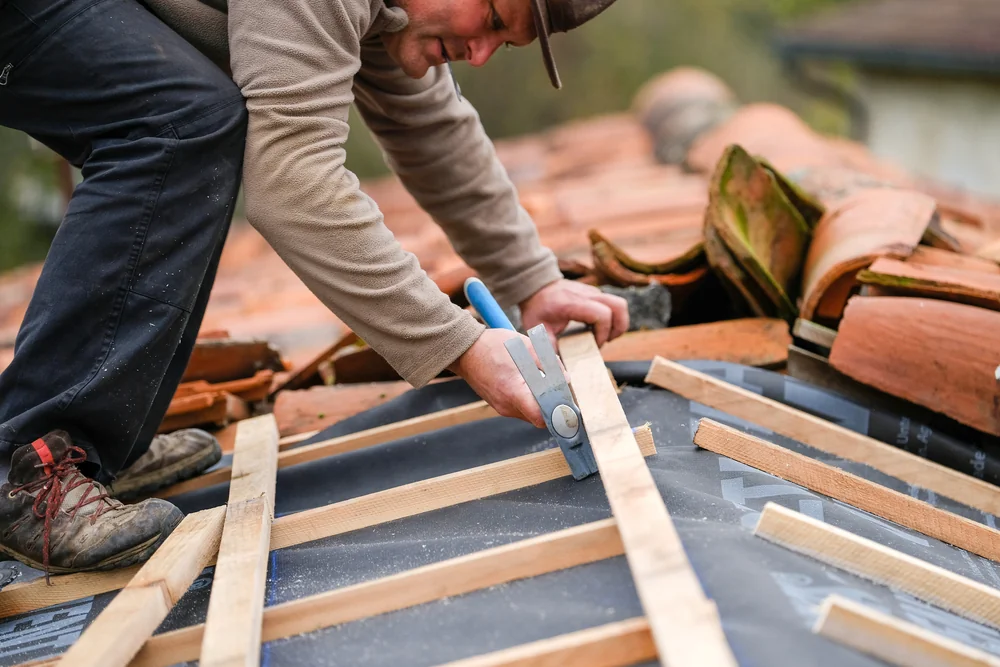
Roof restoration lifespan varies in coastal regions, where harsher environmental exposure places greater demands on materials, workmanship and ongoing care. Homeowners should view restoration as a long-term investment that performs best when expectations are aligned with the realities of seaside conditions.
In coastal areas, restored roofs generally have a shorter lifespan than those in sheltered inland locations. That doesn’t mean restoration isn’t worthwhile; it simply means materials and care must be chosen carefully. On average, restored metal roofs in coastal areas last 10-15 years, while restored tiled roofs typically last 12-18 years. These timeframes assume:
Coastal roofs age faster because salt, moisture and UV exposure are present year-round rather than during isolated weather events, placing constant stress on roofing materials. This leads to:
Two homes located only streets apart along the coast can experience very different outcomes due to differences in roof design, orientation and maintenance habits. Recognising these factors early helps homeowners avoid premature deterioration and unexpected repair costs. When these elements are properly accounted for, a roof restoration can deliver strong, reliable protection even in demanding coastal conditions. Several factors directly determine how long a roof restoration will last in coastal conditions:
Even after a professional restoration, coastal roofs remain exposed to ongoing environmental stress that gradually wears materials down. By understanding the specific coastal conditions that shorten restoration lifespan, you can take proactive steps to reduce damage, schedule maintenance at the right time and avoid expensive repairs caused by preventable wear.
Salt air is one of the most aggressive and persistent threats to metal roofing in coastal regions. Fine salt particles travel long distances from the shoreline and settle on roof surfaces, where they slowly break down protective coatings and expose underlying metal. Even high-quality steel and modern coating systems are vulnerable if salt residue is allowed to accumulate. Without marine-grade coatings and routine cleaning, corrosion can begin far earlier than expected. Over time, salt exposure causes:
Coastal wind exposure is not limited to severe storms or seasonal weather events. In many seaside areas, roofs experience constant wind movement year-round, creating repeated stress on roofing components. This pressure causes gradual loosening of fixings, movement in tiles and fatigue in sealants and bedding materials. While the roof may appear intact from the ground, small shifts and vibrations slowly weaken its structure, increasing the risk of leaks and failure during heavy rain or high-wind events.
Coastal locations typically experience higher levels of UV radiation due to open landscapes and reflective surfaces such as sand and water. This constant sun exposure accelerates the ageing process of roof coatings, sealants and surface finishes. As materials cycle through daily temperature changes, repeated expansion and contraction gradually reduce flexibility and adhesion. Once coatings begin to fail, the roof’s ability to repel water and protect underlying materials diminishes rapidly.
Many restored roofs fail earlier than expected, not because restoration was the wrong choice, but because the follow-up care and material selection didn’t account for coastal conditions. By taking a proactive, preventative approach, homeowners can slow deterioration, reduce ongoing repair costs and extend the functional life of their roof. With the right coatings, maintenance routines and inspection schedules, restoration can remain a reliable long-term solution.
The choice of coating is one of the most critical decisions in any coastal roof restoration. Marine-grade, elastomeric coatings are engineered to form a flexible, protective barrier that resists corrosion while accommodating the natural expansion and contraction of roofing materials. Selecting the correct coating system from the outset reduces the risk of early peeling, cracking and surface breakdown. Using inferior products may save money upfront but often leads to earlier failure and higher long-term costs.
Regular washing and routine maintenance are often underestimated, yet they play a role in preserving the performance of a coastal roof restoration. Salt particles, airborne debris and organic matter can accumulate quickly on roof surfaces, accelerating corrosion and reducing the effectiveness of protective coatings. Without consistent cleaning, even the best restoration systems can deteriorate prematurely. Establishing a simple, scheduled maintenance routine helps prevent minor surface issues from developing into costly structural problems.
Proactive inspections are essential for coastal roofs, where environmental wear often progresses faster and less visibly than inland properties. Small defects, such as fine cracks, loose fasteners or early corrosion, can develop without obvious warning signs from ground level. Regular inspections allow these issues to be identified and repaired before water penetration occurs. By scheduling inspections at the right intervals, you can avoid unexpected leaks, internal damage and premature restoration failure.
Even the highest-quality roof restoration will not last indefinitely, particularly in demanding coastal environments where salt, wind and UV exposure continually test protective systems. The key difference between a manageable maintenance issue and a costly structural problem often comes down to how early deterioration is identified. Many don’t realise their restoration is failing until leaks or internal damage appear, by which point repairs become far more complex and expensive. Understanding the early warning signs of wear allows you to act strategically, preserve the roof’s integrity and plan the next steps before performance is compromised.
Changes in a roof’s surface appearance are often the earliest and most visible signs that a restoration is beginning to lose effectiveness. Coastal exposure accelerates coating degradation, causing finishes to break down faster than expected if protective layers are under stress. While minor cosmetic changes may seem harmless at first, they usually indicate that the coating is no longer providing full protection against moisture, salt and UV radiation. Addressing these signs early can prevent corrosion and extend the life of the underlying roof structure.
Beyond surface appearance, physical and structural indicators often reveal more advanced stages of restoration wear. In coastal environments, metal components and fixings are vulnerable to corrosion, while tiles and bedding materials can loosen under constant wind movement. These issues tend to start small but worsen quickly if ignored, allowing water to penetrate beneath the roof surface and compromise structural elements. Look out for:
There comes a point where ongoing repairs are no longer the most practical or cost-effective solution. If deterioration is widespread or the roof has already reached the upper limits of its restored lifespan, it may be time to reassess whether another restoration or a full roof replacement offers better long-term value. Making this decision early helps avoid escalating damage and allows for proper planning rather than reactive, urgent repairs. In some cases, a new restoration is sufficient; in others, full replacement offers better long-term value.
When properly planned and maintained, roof restoration continues to be a highly effective option for coastal homeowners. By choosing coastal-specific materials, scheduling regular maintenance and addressing issues early, you can extend the lifespan of your roof and protect your home from harsh seaside conditions. If you’re unsure about the condition of your roof or want expert advice tailored to coastal properties, Town and Country Roof Restoration can assess your roof honestly and help you plan the most cost-effective path forward. Get in touch with us today to protect your coastal home with confidence.
No job and no roof is too big for our team of roofing contractors. We have the experience, skills and equipment to make your roof look and function the way you’d like it to.
Whether you want to paint your roof or remove asbestos, we can help!

