When severe weather hits Newcastle, it can leave homeowners dealing with sudden damage and a lot of uncertainty. Heavy rain and strong winds can change conditions quickly, so knowing what to do next makes a real difference in limiting leaks, protecting your home and getting things back to normal sooner.
At Town and Country Roof Restoration, we know the hardest part often comes after the storm passes, when repairs need organising and insurance paperwork starts piling up. This guide explains how local weather impacts roofs, what to document for a smoother claim, and what you can do to reduce the risk of repeat damage in future storm seasons.
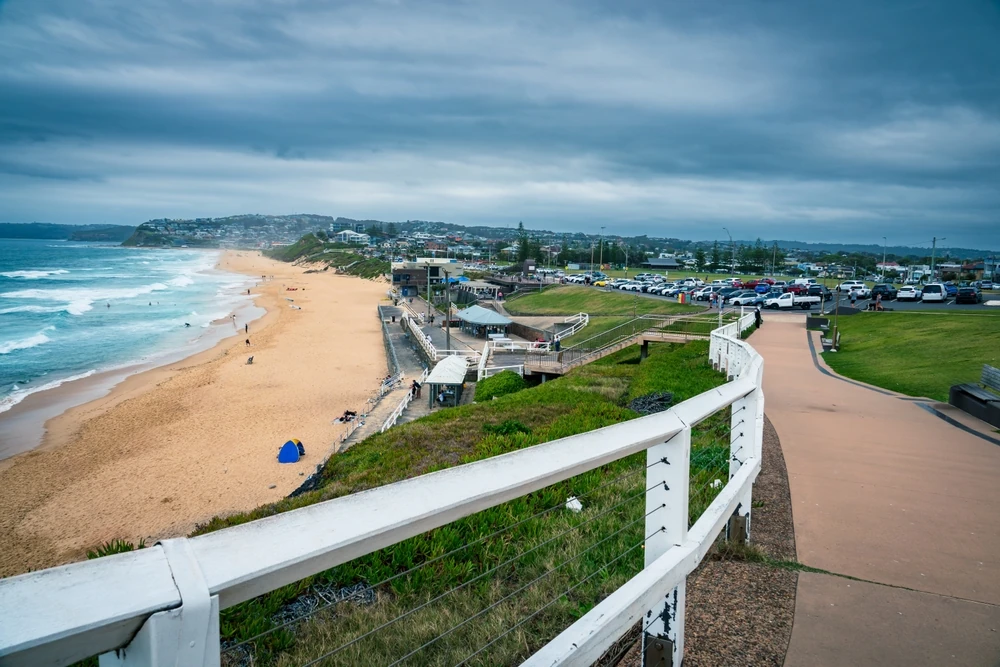
Severe weather in coastal regions often brings a mix of heavy rain with high winds and brief but intense bursts of hail that can strain even well-maintained structures. These conditions can happen several times each year with short recovery periods between events, making it tough for homeowners to track gradual wear and tear. The main factor that makes local weather tricky is how quickly conditions shift from calm to damaging without much warning for homeowners to prepare. We have seen how the combination of moisture and wind speed gradually shortens the lifespan of external structures if proactive care is not part of regular maintenance.
Different forms of moisture and wind stress affect structures in unique ways, so knowing how they interact helps property owners respond faster. We have seen how strong uplift forces from gusty conditions can weaken fixings while pooled water from prolonged rain forces moisture into small openings, leading to deeper problems later. Hail also introduces another set of hazards that create visible dents while weakening the protective surface that keeps water out. For homeowners dealing with storm damage in Newcastle, recognising these early warning signs can help prevent bigger repairs later.
Minor problems can become costly if delayed, so understanding the different types of impact helps property owners take faster action. By combining good assessment methods with timely repairs, homeowners can prevent widespread deterioration and reduce future maintenance bills.
Homes near the coastline experience a different kind of stress during rough weather due to a unique combination of salt carried by the air and moisture saturation levels. Inland storms can deliver plenty of water, but coastal weather adds salt from sea spray that accelerates metal degradation when the protective coating is cracked or worn. Homes near the sea eventually show faster surface wear and require more frequent touch-ups than homes that sit further from the shoreline.
Coastal weather behaves differently from inland events, so understanding these factors gives property owners the chance to prepare and protect their home with smarter long-term solutions. By using the right materials and care strategies, the structural lifespan becomes easier to manage and less expensive over time.
Weather patterns tend to follow a cycle where certain months bring heavier rain or more frequent gusty days, which slowly wear down exterior components even without major events. We pay close attention to seasonal trends because they help predict when problems are most likely to appear so homeowners are not surprised by sudden leaks or broken fixings. When sections of the home experience repeated wetting and drying, the protective layers age faster and lose strength quicker than parts that stay sheltered.
Seasonal wear builds quietly but becomes significant if left unmanaged, so routine checks and strategic upgrades help homeowners stay ahead of problems. Understanding these patterns makes planning easier and gives us the chance to help customers extend the service life of their roof with fewer major repairs later.
After heavy weather events, many homeowners feel unsure about how to start the claim process or what information matters most when speaking with insurers. The good news is that the process becomes much smoother when people understand the steps involved from documentation to assessments and approvals. Claims are handled in a structured sequence that includes proof of impact and expert evaluation before repairs can begin.
The first few hours and days after rough weather are the most important for gathering information that insurers need to confirm the impact. Without photos and inspection records, it takes much longer to prove the cause of damage. Insurers may question delays in reporting.
Good documentation removes most of the friction during the claim because it speeds up verification and removes uncertainty for the insurer. With the right evidence ready early, the repair process can move forward with fewer delays and fewer surprises along the way.
Once a claim is lodged, insurers often send an assessor to evaluate the condition of the property and confirm whether the policy covers the damage. This step can take time, especially during peak storm seasons when many homeowners file claims at the same time.
The important thing is to stay patient and organised because claims often move slower during busy weather seasons. By keeping records close and following up politely, homeowners can reduce unnecessary delays and keep the process on track.
Insurance policies vary in how they define covered events and excluded conditions, so homeowners often feel surprised by limits they did not expect. Customers must understand the difference between sudden impact damage and long-term wear because insurers handle these scenarios differently. Knowing what the policy covers helps set realistic expectations early in the process.
Policy knowledge gives homeowners more control over the claim and fewer surprises once repairs begin. With clear expectations people can make better decisions about upgrade options and preventive measures for future seasons.
Storm seasons repeat on a yearly basis, so reducing risk becomes just as important as completing repairs. Homeowners who take preventive action enjoy fewer emergency call-outs and lower maintenance costs over time. Upgrades with inspections and small adjustments can significantly improve how well a home handles heavy weather from one season to the next. Our goal is to help customers build long-term resilience so repairs become less frequent and less stressful.
Improving structural resistance is one of the most effective long-term strategies for reducing the impact of wild weather. Targeted upgrades that strengthen the building envelope without requiring full replacement work are often recommended. These upgrades pay off by giving homeowners more protection and less exposure to sudden failures.
Small upgrades done at the right time extend the lifespan of roofing systems and reduce emergency repair calls during bad weather. With better materials and installation methods, homeowners can enjoy stronger performance and lower long-term maintenance costs.
Inspection technology has advanced rapidly over the last few years, allowing professionals to find hidden issues before they turn into major problems. Reputable service providers use tools that give a clearer view of structural shifts and fastener movement without tearing apart large sections of the roof. Early detection makes repairs faster and saves homeowners money by catching problems before they spread.
Technology makes maintenance smarter because it gives homeowners more information and more control over repair timing. With early detection tools it becomes easier to plan upgrades before storms arrive and avoid expensive emergency work.
Prevention often comes down to simple regular habits that reduce exposure to moisture or debris and corrosion over time. Many homeowners skip routine maintenance simply because they do not realise how quickly minor problems become major ones. Basic checks done once or twice a year prevent serious structural damage during heavy weather.
Good maintenance keeps structures stronger through multiple storm seasons and makes claims less frequent and easier to manage. With simple routines homeowners gain peace of mind knowing they are better prepared for changing weather patterns.
Storm season can be stressful for homeowners, but the process becomes manageable and far less overwhelming with the right help and knowledge. Service providers know how important it is to support customers from weather assessment to insurance paperwork and long-term prevention planning. With careful documentation for smart upgrades and a better understanding of policy terms, homeowners can enjoy faster claim approvals and minimise repair costs over time.
The best outcomes always happen when homeowners act early and choose reliable professionals who understand how to balance durability and realistic timelines. By investing in resilience rather than just repairs, homeowners can feel more confident heading into tough weather seasons year after year.
No job and no roof is too big for our team of roofing contractors. We have the experience, skills and equipment to make your roof look and function the way you’d like it to.
Whether you want to paint your roof or remove asbestos, we can help!

