Storm season is becoming increasingly unpredictable, with stronger winds, heavier rainfall and more frequent coastal weather events placing added pressure on residential roofs. For homeowners concerned about roof storm damage in Newcastle, proactive preparation is essential. At Town and Country Roof Restoration, we work with local property owners year-round and consistently see how addressing vulnerabilities early can prevent minor issues from escalating into costly structural damage, protecting both the home and long-term investment.
Below, we explain how unique conditions affect roofs, what smart pre-storm preparation looks like, how to assess damage safely after severe weather and how long-term planning improves resilience season after season.
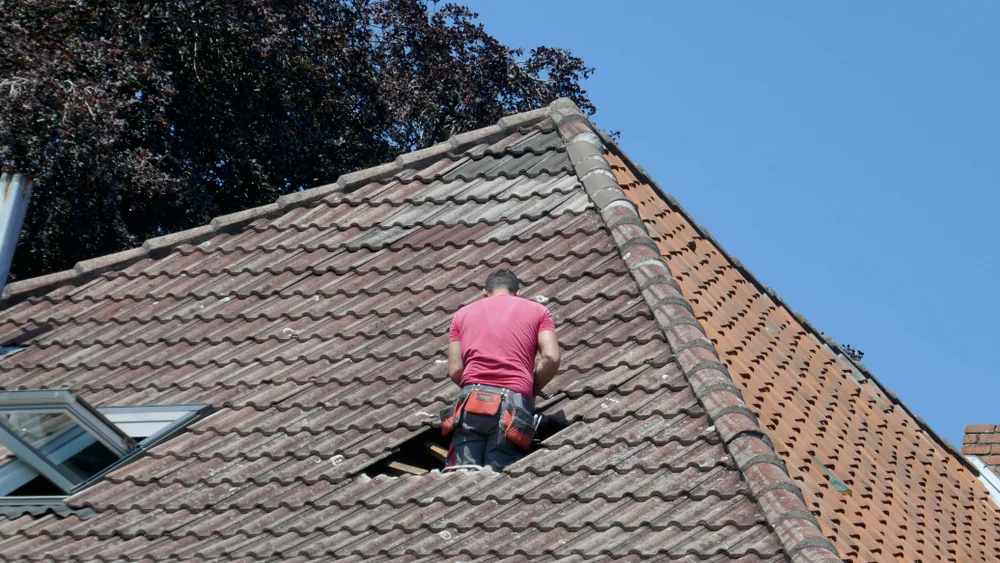
Newcastle’s location along the coast and its mix of suburban, elevated and exposed neighbourhoods create storm risks that differ from many other parts of NSW. Roofs here are routinely tested by salt air, strong gusts and sudden downpours, all of which accelerate wear and expose weaknesses. It’s important for you to understand how these conditions affect roof performance and why certain properties are more vulnerable than others.
Storms place roofs under combined pressure from strong winds, driving rain and corrosive coastal air, all of which weaken protective layers and loosen fixings over time. This reduces a roof’s ability to shed water and resist uplift during severe weather.
High winds can:
Heavy rainfall places pressure on:
Salt air accelerates:
Different roofing styles age differently under storm stress. Certain design features and materials are more prone to failure when weather conditions intensify. Many of these issues develop gradually and often go unnoticed until severe weather exposes them, and damage escalates quickly. Common weak points we regularly see include:
Not all roofs face the same storm risks. Homes closer to the shoreline experience constant salt exposure and higher wind loads, while suburban homes further inland may face pooling water, debris buildup and tree-related damage. Recognising the differences allows homeowners to target preparation where it matters most.
Coastal properties are more vulnerable to:
Suburban and elevated areas often face:
Preparing your roof well allows vulnerabilities to be identified and addressed under controlled conditions rather than during emergencies. Strategic preparation focuses on reinforcing critical roof components, improving drainage performance and ensuring the entire system can withstand extreme weather.
A roof’s ability to withstand storm conditions depends not just on the main roofing material but on the smaller components that hold everything together. Fasteners, screws, flashings and junction points are often the first elements to fail during high winds or driving rain. Reinforcing these areas improves roof stability and weather resistance. Pre-storm reinforcement should focus on:
During storm events, a roof’s drainage system works just as hard as the roofing surface itself. Heavy rainfall can overwhelm gutters and downpipes if they are blocked, poorly aligned or damaged, forcing water back onto the roof or into the home. Preparing drainage systems ahead of time ensures water is safely directed away from the roof and foundations. Here are some effective preparation tips:
Loose or shifting roof components are among the most common causes of storm-related damage. Once tiles, sheets or ridge capping begin to move, wind pressure can lift surrounding materials, allowing rain to penetrate and causing widespread damage in a very short time. These issues often develop gradually and may go unnoticed until storm conditions expose them. Securing all roofing elements greatly reduces the risk of sudden failure. Remember the following:
Many homeowners delay addressing small roof issues because they appear cosmetic or manageable. However, storm conditions place additional pressure on existing weaknesses, allowing water ingress and structural damage to develop rapidly. Recognising when minor issues require urgent attention before storm season is critical to avoiding emergency repairs. Urgent pre-storm repairs include:
Even when a roof has been well prepared, severe weather can still cause subtle or delayed damage that isn’t immediately visible. Conducting a post-storm inspection allows you to catch early warning signs before minor issues escalate into internal leaks, structural deterioration or costly long-term repairs. Prompt inspections also provide clarity around whether simple maintenance is sufficient or professional intervention is required.
Storm-related roof damage does not always present as obvious leaks or missing materials. In many cases, water enters through small gaps and slowly affects insulation, ceilings and wall cavities before becoming noticeable. These hidden issues often appear days or even weeks after a storm has passed, which is why homeowners should remain alert following severe weather events. Watch for:
After a major storm, it’s natural to want reassurance that your roof is still intact. While homeowners can perform basic visual checks, safety should always be the priority, especially after rain, when surfaces may be slippery or unstable. A careful ground-level inspection can still reveal important clues about how the roof has handled storm conditions. Safe post-storm checks include:
Some forms of storm damage are difficult to assess without specialist knowledge, tools and safe access equipment. Professional inspections are important when signs of damage are unclear, when safety is a concern or when documentation may be needed for insurance purposes. An experienced roofing professional can identify issues that aren’t visible from the ground and recommend the most appropriate course of action. Professional inspections are recommended when:
Protecting your roof from storm damage goes beyond physical repairs and maintenance. Insurance providers expect clear evidence that a roof has been responsibly maintained over time, not just repaired after damage occurs. By combining accurate records with a structured maintenance strategy, homeowners place themselves in a far stronger position to manage claims, reduce future risk and extend the life of their roofing system.
When storm damage occurs, the strength of an insurance claim often depends on the quality of the documentation provided. Clear, well-organised records help demonstrate the cause, timing and extent of damage, making it easier for insurers to assess claims fairly and efficiently. Recording roof condition consistently creates a reliable paper trail that protects homeowners during the claims process. Best practices include:
Regular roof reports provide documented proof that a roof has been actively maintained, which is becoming an important factor for insurers. These reports show that any damage sustained during storms is not the result of neglect or long-term deterioration but rather a sudden weather-related event. In addition to supporting insurance claims, routine reporting helps homeowners make informed decisions about repairs and restoration before problems escalate. Regular reports help:
True storm resilience is built through consistency, not reaction. Rather than waiting for damage to occur, a long-term maintenance plan ensures your roof remains prepared for changing weather conditions throughout the year. With a structured maintenance strategy in place, your roof can remain strong, weather-resistant and dependable through every season. A long-term plan should include:
Storm season doesn’t wait, and neither should roof preparation. From salt exposure and wind uplift to hidden leaks and drainage failures, even small weaknesses can quickly turn into costly damage when severe weather hits. At Town and Country Roof Restoration, we take a proactive approach to storm readiness. Whether your roof needs minor pre-storm maintenance, targeted repairs or a professional assessment to support insurance protection, acting early gives you far greater control and peace of mind. Contact us to arrange a professional roof inspection and ensure your home is properly protected before the next major weather event.
No job and no roof is too big for our team of roofing contractors. We have the experience, skills and equipment to make your roof look and function the way you’d like it to.
Whether you want to paint your roof or remove asbestos, we can help!

