Choosing the right roof colour can make a real difference to how comfortable your home feels, especially in the Australian climate. At Town and Country Roof Restoration, we see firsthand how much colour can affect indoor temperatures, energy bills and even the long-term condition of the roof itself. For homeowners looking into roof painting Newcastle services, it is worth understanding how roof colour influences heat absorption before deciding on the best finish for the home.
In this article, we look at how roof colour affects heat absorption and reflection, what that means for comfort inside the home and why local conditions should always be part of the decision. We also cover which colours generally perform best in hot weather, how modern heat-reflective coatings can improve results and what homeowners should consider when restoring or repainting an existing roof. With a better understanding of how colour, material and overall roof performance work together, it becomes much easier to choose an option that looks right and performs well over time.
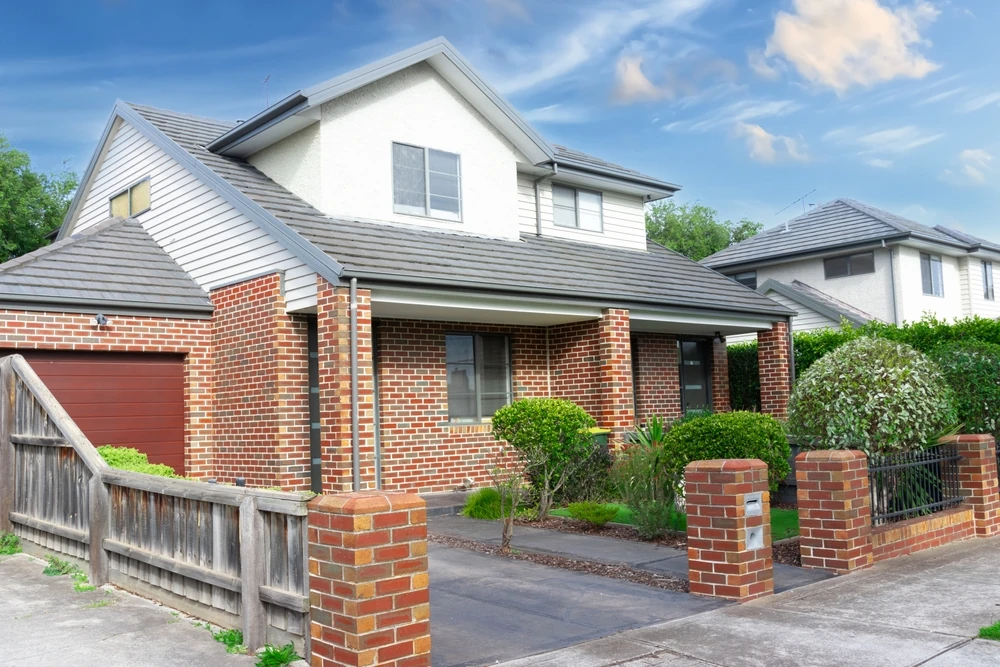
The best roof colour to reduce heat is usually a light, reflective shade such as white, off-white or very light grey. Light colours reflect a greater proportion of the sun’s energy, so the roof surface tends to stay cooler and less heat is transferred into the home below. In many Australian conditions, this can help reduce heat build-up in the roof space and ease the load on cooling systems.
For most homes, roofing professionals recommend choosing the lightest colour that still suits the style of the property. This helps balance comfort and energy efficiency with street appeal, surrounding homes and any local estate or council requirements.
Roof colour directly affects solar reflectance, which is the roof’s ability to reflect sunlight. Dark colours such as charcoal, deep green and dark brown absorb much more solar energy than lighter shades, so they generally become much hotter under the same conditions.
Light roofs such as Surfmist or similar pale tones reflect a greater portion of that energy. In practice, this can help reduce heat build-up in the roof cavity and lessen the amount of heat moving down into the home. Metal and tile roofs can both benefit from lighter colours, although the overall result will still depend on factors such as roof pitch, orientation, local climate, shading, insulation and ventilation.
For hot or mixed climates where summer heat is a major concern, the most effective heat-reducing options are usually:
These colours provide strong heat reflection while still working with many exterior colour schemes. Where a pure white roof may feel too bright visually, a very light grey or warm off-white often delivers a similar thermal benefit with a softer overall look.
Roof painting specialists can also apply high-quality reflective coatings in suitable light shades. These coatings can improve the solar performance of an existing roof surface, so even if a roof is not being replaced, its colour and heat performance can still be improved.
There are situations where choosing the very lightest roof colour is not the only consideration. In cooler regions, some homeowners may consider slightly darker colours for winter solar gain, but this should still be balanced against summer heat build-up, insulation levels and the home’s overall design. Some estates or heritage areas may also restrict roof colours, which can limit very pale options.
In these situations, a mid-light colour is often a sensible compromise. Light greys and muted earthy tones can still reduce heat compared with very dark roofs while blending more easily with surrounding homes and meeting local design expectations. Pairing a mid-light roof with good insulation and sensible ventilation can deliver strong thermal comfort without needing to go to a bright white finish.
Professional roof painters can help homeowners compare colour samples on site, assess how the sun hits different sections of the roof and choose a shade that improves heat control while still suiting the home.
Roof colour has a direct impact on how much heat a roof absorbs and how hard the cooling system may need to work during summer. Light colours generally reflect more of the sun’s energy, while dark colours absorb more and tend to become hotter in full sun.
Roof painting specialists often explain roof colour in terms of how much sunlight the surface reflects and how much heat it holds. Understanding this makes it easier to choose a colour that supports both comfort and the overall appearance of the home.
Dark roof colours such as deep charcoal or black absorb a large amount of solar radiation. On hot sunny days, they can become significantly hotter at the surface than a similar roof in a pale colour. That extra heat can then build up in the roof space and eventually affect the rooms below.
Light colours such as white, off-white, cream and light grey reflect a much higher percentage of sunlight. This helps reduce roof surface temperature and slows heat transfer into the home. In practical terms, a lighter-coloured roof can help create:
For many homes near the coast or in warmer inland suburbs, a light or mid-light roof is often the most effective choice for reducing heat gain.
Two important properties help explain how roof colour affects heat absorption.
Solar reflectance is the proportion of sunlight the roof surface reflects away. Higher reflectance means less heat is absorbed. Light colours naturally have higher reflectance, although some modern coatings can improve performance in mid-range or darker shades as well.
Thermal emittance is the ability of the roof surface to release absorbed heat back into the air. A material with good thermal emittance cools more effectively once the sun moves off the roof. Many modern roof coatings are designed to support both reflectance and emittance so the roof does not hold heat as long into the evening.
Colour is only one part of the heat equation, but it is an important one. The same paint colour can behave a little differently on different roofing materials. For example, a light colour on a metal roof may still respond more quickly to direct sun than the same colour on concrete tiles because metal conducts heat differently.
This is where specialised roof membranes and heat-reflective coatings can make a real difference. These products are designed to reflect more of the sun’s energy without forcing homeowners into a stark white finish. In many cases, homeowners can choose light to mid greys or soft earthy tones and still achieve a worthwhile reduction in roof temperature.
By considering how colour works alongside the existing roof material, insulation and ventilation, professional roof painters can recommend colours that balance appearance with genuine heat reduction.
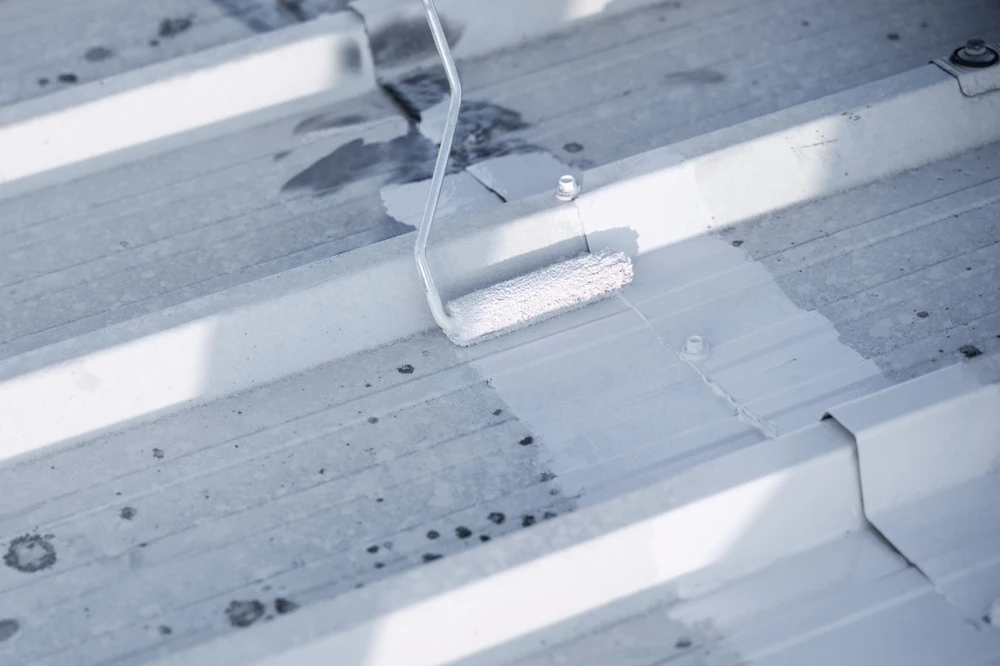
Australians looking for a cooler home in summer will usually get the best results from lighter roof colours. Light roofs reflect more solar energy, which can help reduce roof surface temperatures and improve comfort indoors.
Roof painting professionals generally find that the most effective colours for heat reduction sit at the pale end of the colour chart. These shades can still look stylish while working better with Australian summer conditions.
For most Australian homes, the coolest-performing options are very light and neutral shades. These colours reflect more solar radiation than darker finishes, which helps reduce heat absorption.
High-performing choices include:
These colours are particularly effective on metal roofs that are exposed to full sun for long periods. In many homes, they also support the performance of insulation and roof ventilation by reducing the amount of heat entering the roof space in the first place.
Not every homeowner wants a bright white roof. In that case, roof painters often recommend mid-light colours that still help reduce heat while adding a little more depth.
Good compromise options include:
These colours absorb more heat than very pale finishes, but they can still perform better than very dark roofs. They also tend to work well with brick homes, coastal facades and neighbourhoods where a softer or more traditional finish is preferred.
Climate makes a real difference when choosing roof colour. In hotter regions such as western Sydney, inland New South Wales and northern parts of Australia, lighter roofs are often the most practical choice because they help reduce cooling loads during long hot summers.
Local councils, heritage overlays and housing estates may also specify approved colour palettes or restrict very bright finishes. In these cases, it is often possible to choose a colour at the lighter end of the approved range to improve heat performance while still complying with local requirements.
By starting with pale or mid-light shades and then narrowing the choice based on the home’s style and surroundings, homeowners can often achieve both a cooler house and a roof that looks appropriate in the streetscape.
Dark roofs generally absorb more heat from the sun than light roofs, so they often do contribute to higher roof surface temperatures. However, they do not always result in an uncomfortably hot home. Indoor temperatures are also influenced by roof material, insulation, ventilation, ceiling sealing and local climate.
Roof painting experts often find that two homes with the same dark roof colour can perform very differently because of differences in insulation, airflow and construction quality. Colour matters, but it is only one part of the overall thermal performance of the home.
A dark roof surface absorbs more solar energy and gets hotter during the day. This heat can build up in the roof space and gradually affect the rooms below. In hot Australian conditions, that can increase cooling demand and make upstairs or top-floor rooms less comfortable if the roof system is not performing well.
Light or pale roofs reflect more sunlight, so the surface temperature is generally lower under the same conditions. This often means:
However, roofs of the same colour can still behave differently depending on the material, insulation and how well the roof system is put together.
Dark roofs can sometimes perform better than expected when other parts of the roof system are doing their job well.
Many modern roof coatings use heat-reflective pigments. Even in deeper shades such as charcoal or brown, these coatings can reflect more infrared radiation than older paint systems. The roof may still appear dark, but it can perform better than an older or faded dark roof.
Effective ceiling insulation makes a major difference. If insulation is continuous, correctly installed and suited to the local climate, the extra heat at the roof surface may have a much smaller effect on the living areas below. Homes with poor or patchy insulation usually feel the impact of roof colour more sharply.
Ventilation can help reduce heat build-up in some roof spaces by allowing hot air to escape. The effectiveness of this depends on the roof design, the location of vents and how the system works with the rest of the building envelope. Ventilation should be considered carefully rather than treated as a one-size-fits-all solution.
Dark roofs are more likely to make a home uncomfortably warm when:
In these situations, a lighter roof colour combined with improved insulation and well-considered roof space design can make a noticeable difference to comfort.
Colour influences how hot a roof gets, but it is only one part of the picture. In many Australian homes, other elements of the roof system can have just as much impact, or more, on indoor temperatures and energy use.
Professional roof painters can provide better advice when they look at the roof as a whole system. That includes what sits beneath the roof surface, how heat moves through the roof space and how well the ceiling and insulation layers are working.
Insulation often has a bigger effect on indoor comfort than roof colour alone. A well-insulated ceiling helps slow the transfer of heat from the roof space into living areas, even if the roof surface becomes hot during the day.
Rather than relying on one fixed insulation level for every property, it is better to choose insulation that suits the climate zone, roof design and overall construction of the home. Even small gaps, compression or poorly insulated access points can reduce performance.
Foil sarking beneath tiles or metal roofing can also help reduce radiant heat transfer. When installed correctly, it works alongside bulk insulation to improve the thermal performance of the roof system.
How well a roof space manages heat can matter just as much as the roof colour itself. A hot, stagnant roof cavity can trap heat above the ceiling for long periods.
Roof space ventilation can help in some homes, but the right approach depends on roof shape, pitch, construction details and local conditions. Passive vents, ridge vents, eave vents and rotary vents may all play a role, but they need to be chosen and located carefully. Too little ventilation can trap heat and moisture, while poorly planned ventilation can create other performance issues.
This is why roof ventilation should be assessed as part of the overall roof design rather than added as a simple afterthought.
The material and construction quality of the roof can sometimes outweigh colour differences. Concrete tiles, terracotta tiles and metal sheeting all heat up and cool down differently because of their thickness, thermal mass and installation method.
For example, a light-coloured metal roof may respond quickly to direct sunlight but can also cool relatively quickly when conditions ease. Heavier tiled roofs may store heat differently, but good insulation and roof space design can greatly reduce how much that affects the home below.
Cracked tiles, loose ridge capping, poor flashing and gaps in the roof system can all affect thermal performance regardless of colour. Town and Country Roof Restoration focuses on secure capping, sound coatings and watertight roofing details because a well-maintained roof system will usually perform better than a poorly maintained one, no matter what colour it is.
Choosing the right roof colour comes down to balancing heat reduction, appearance and long-term value. Light, reflective colours such as whites, pale greys, creams and other soft neutral tones are generally the most effective for keeping homes cooler and reducing cooling demand in Australian conditions. Heat-reflective coatings can further improve performance while still allowing flexibility in the final look.
It is also important to remember that colour is only one part of the equation. Roof material, insulation, sarking, ventilation and overall roof condition all influence how a home performs in summer. By considering the full roof system rather than colour alone, homeowners can make more informed decisions that improve comfort, support energy efficiency and protect the long-term performance of the roof.
No job and no roof is too big for our team of roofing contractors. We have the experience, skills and equipment to make your roof look and function the way you’d like it to.
Whether you want to paint your roof or remove asbestos, we can help!

