Coastal conditions can have a significant impact on the durability and performance of roof painting in Newcastle. Salt-laden air, strong sea breezes, intense UV exposure, humidity and changing temperatures place ongoing stress on roof surfaces and coating systems. Without suitable preparation, compatible products and careful application timing, roof coatings may fade, blister, peel or deteriorate prematurely.
Town and Country Roof Restoration understands the challenges Newcastle properties face and the importance of selecting preparation and coating systems that suit the roof material, its condition and the level of coastal exposure.
Understanding how the local climate affects a roof helps property owners make better decisions about inspections, repairs, product selection and painting schedules. Every stage, from cleaning and rust treatment to drying and curing, contributes to the quality and durability of the finished coating.
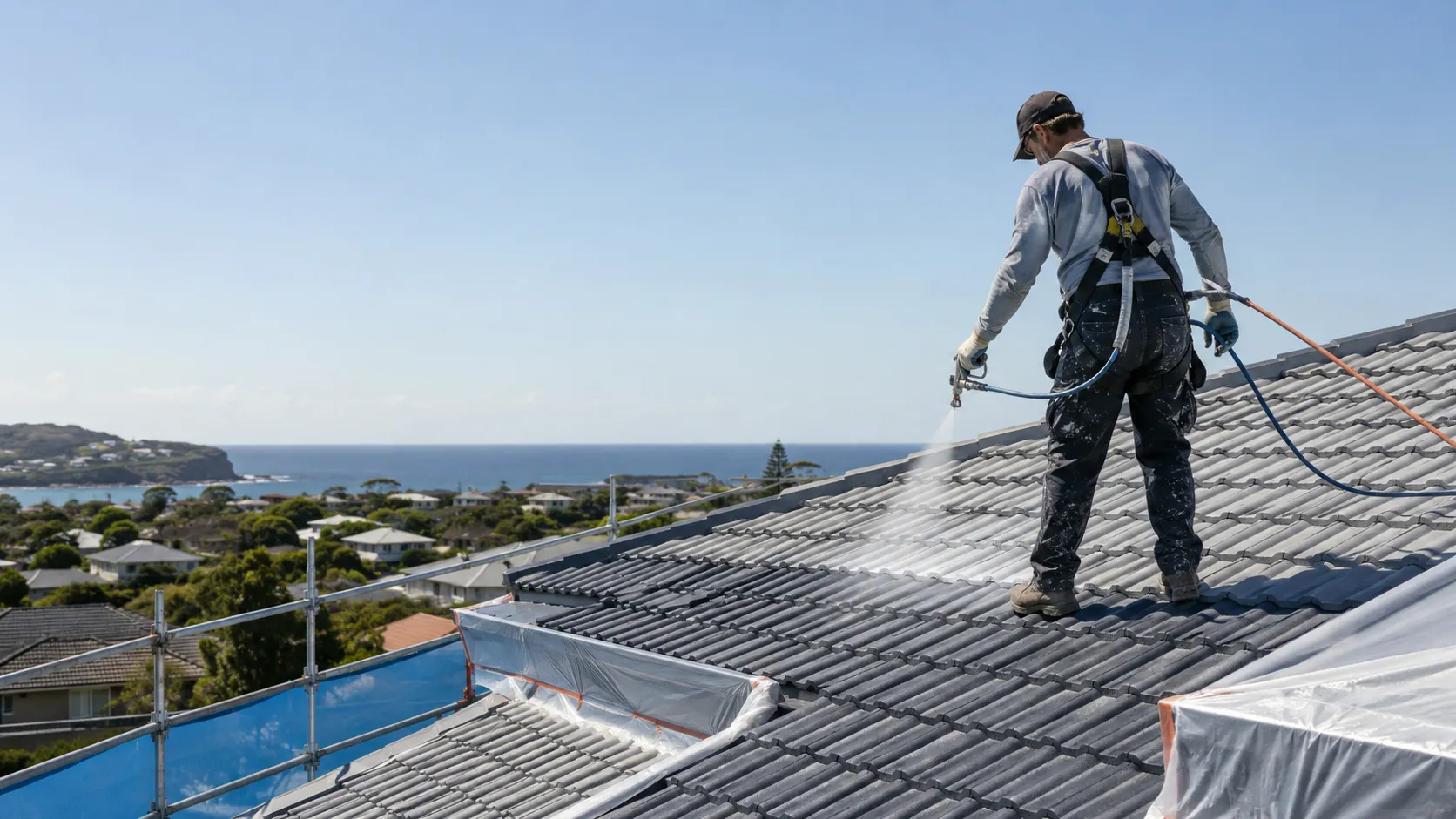
Coastal properties face conditions that are often more demanding than those experienced in inland suburbs. Salt deposits, moisture, wind and strong sunlight can affect coating adhesion, colour retention and long-term protection.
Roofs closer to the coastline may experience more frequent salt contamination, particularly on slopes facing prevailing coastal winds. However, the level of exposure also depends on the property’s elevation, surrounding buildings, vegetation and local weather patterns.
Common signs of coating deterioration include:
These problems do not always mean the roof simply needs another coat of paint. They may indicate that the existing coating, substrate or roof components require closer assessment and repair.
Roofs throughout Newcastle are exposed to strong UV radiation. Prolonged sunlight can break down lower-quality coatings, causing fading, chalking and loss of flexibility.
Roof surfaces also expand and contract as temperatures change. This movement can place stress on older or brittle coatings, particularly around ridge caps, flashings, fasteners, penetrations and sheet overlaps.
Coatings used on exposed roofs should therefore offer suitable UV resistance, colour retention and flexibility. Colour choice may also affect roof surface temperatures. Lighter and more reflective colours generally absorb less solar heat than darker colours, although product suitability and any energy-related benefits depend on the complete roofing and insulation system.
Coastal winds carry fine salt deposits, dust and other airborne contaminants onto roof surfaces. These deposits can hold moisture against the coating and contribute to corrosion where metal is exposed.
Wind also affects the painting process. Excessive wind or gusts may:
Rather than relying on a general wind-speed limit, contractors should assess the roof’s exposure, surrounding property, equipment and forecast conditions. Application should also follow the coating manufacturer’s technical data sheet.
Visible sea spray is not required for salt contamination to occur. Fine particles can travel inland and settle on roofing materials, gutters, fasteners, flashings and existing coatings.
When salt combines with condensation, humidity or rain, it can create conditions that accelerate coating breakdown and metal corrosion.
Salt deposits may:
On concrete or terracotta tiles, moisture and salt can enter cracks, pores and deteriorated surface areas. On metal roofs, corrosion may begin beneath damaged paint and spread beyond the visibly affected area.
Coastal humidity can keep roofing surfaces damp longer after rain, cleaning or overnight condensation. Shaded areas and south-facing slopes may also dry more slowly.
Persistent moisture can contribute to:
Painting should not begin until the roof is clean and completely dry. Contractors must also consider surface temperature, humidity, dew point, forecast rain and the manufacturer’s minimum curing requirements.
Work should begin only after dew has evaporated and the roof has reached suitable application conditions. Painting must stop early enough for the coating to cure before evening moisture, falling temperatures or forecast rain.
Preparation and coating requirements vary between metal, concrete tile and terracotta tile roofs. A product that performs well on one material may be unsuitable for another.
Metal roofs are particularly vulnerable where salt and moisture reach exposed steel, cut edges, scratches, sheet laps, fasteners or damaged coatings.
Common areas requiring attention include:
Corrosion must be cleaned and treated in accordance with the selected coating system. This may involve mechanical preparation back to a sound surface, followed by a compatible metal primer specified by the manufacturer.
Rust converters should not automatically be used on every roof. Their suitability depends on the extent of corrosion, the substrate and the coating system being applied.
Severely corroded sheets, loose fasteners or damaged flashings may require replacement rather than coating.
Concrete tiles may become porous, chalky or eroded over time. Before painting, they should be checked for:
Porous or weathered tiles may require a compatible sealer or primer to stabilise the surface and create an even base for the topcoats.
Painting over loose, chalky material without stabilising it may result in the new coating separating from the roof.
Terracotta tiles require particular care because not every roof membrane is suitable for them. Glazed, unglazed and previously coated tiles can each require different preparation and primer systems.
Some terracotta tiles may be suitable for coating only when a specialist primer and approved membrane are used. Other tiles may not be suitable for painting at all.
The tile type, glaze, porosity and existing finish should therefore be identified before any product is selected. Manufacturer guidance should be followed throughout the system.
Salt, moisture and wind-driven rain can accelerate corrosion on metal roofs. Rust may begin at small coating defects and then spread beneath the surrounding paint film.
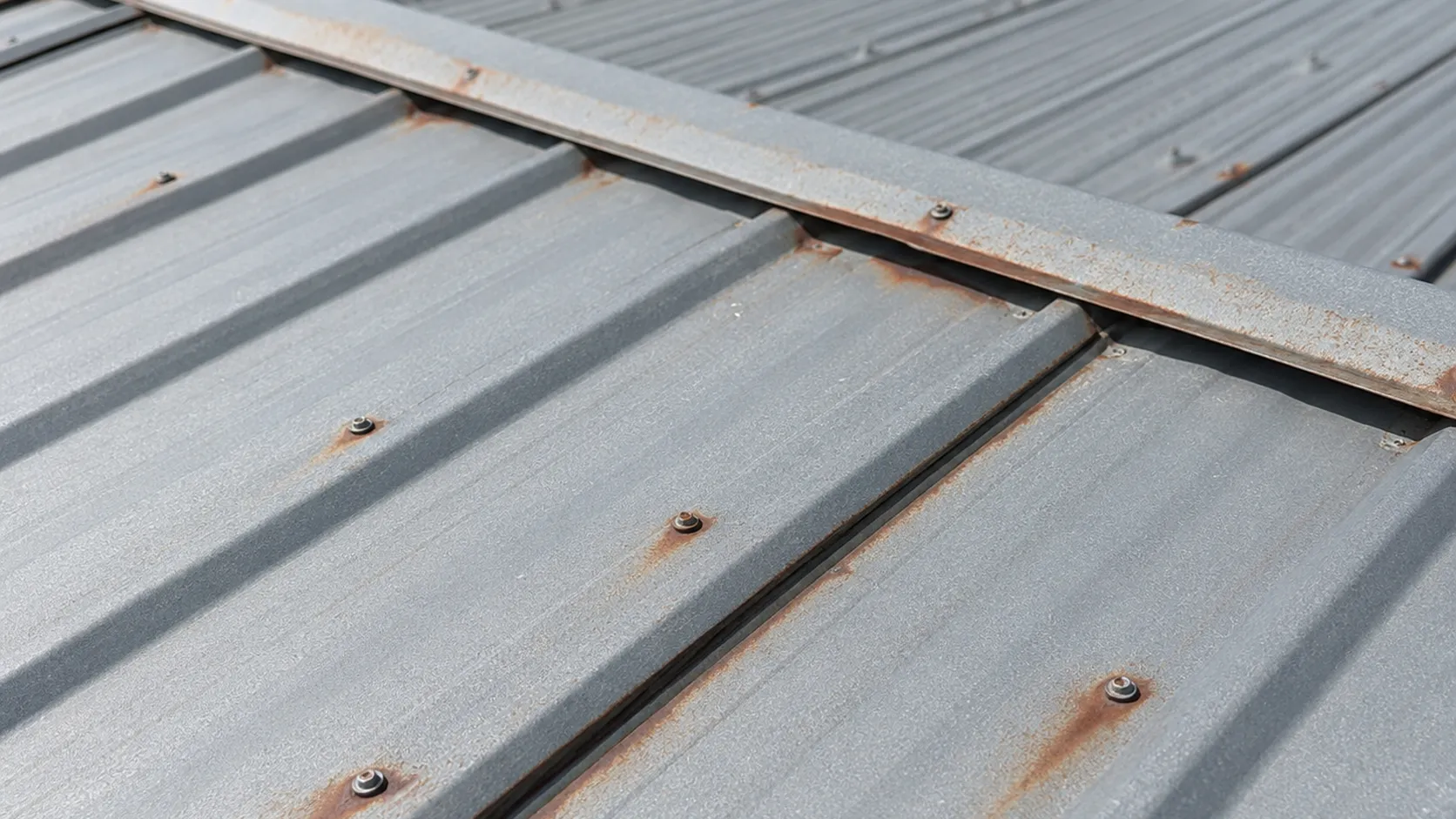
Early corrosion is commonly found around fasteners, cut edges, penetrations and sheet overlaps. These areas may not be clearly visible from the ground.
Painting over active rust can lead to:
A thorough inspection allows small areas of corrosion to be treated before they spread. It can also identify sheets, fixings or flashings that are too damaged to be restored through painting alone.
Early intervention helps provide a sound surface for the coating system and may reduce the likelihood of more extensive repairs later.
There is no single month or season that guarantees suitable roof-painting conditions. The correct application window depends on the roof surface, coating system, local forecast and conditions at the property.
Before applying paint, contractors should consider:
A mild day may still be unsuitable if the roof is damp, strong gusts are forecast or rain is expected before the coating has cured.
Likewise, hot weather may cause the roof surface to exceed the product’s application limits, even when the air temperature appears acceptable. Rapid surface drying can affect levelling, adhesion and film formation.
All application conditions, drying times and recoat intervals should follow the coating manufacturer’s current technical data sheet.
Preparation is one of the most important factors in the performance of any roof coating. Coastal roofs may require additional cleaning because salt deposits can be difficult to see and may remain in surface pores, sheet laps and sheltered areas.
A typical preparation process may include:
The exact process should be adapted to the roofing material and coating system.
Pressure cleaning alone may not remove every form of contamination. Depending on the roof and product requirements, preparation may include:
Pressure cleaning may remove visible moss or lichen without fully treating remaining biological contamination. If contamination is not properly addressed, growth may return and affect the new coating.
Cleaning products must be compatible with the roof material, existing coating and surrounding surfaces. Workers should also protect gutters, rainwater tanks, gardens and neighbouring properties where required.
Roof-cleaning runoff may contain dirt, salt, biological treatments, old coating residue or cleaning chemicals. Roof-cleaning runoff containing dirt, biological treatments or coating residue must not enter stormwater drains, rainwater tanks or neighbouring properties. Suitable containment and disposal controls should be planned before cleaning begins.
Suitable containment and disposal controls should be planned before cleaning begins. Downpipes may also need to be disconnected or redirected temporarily where a rainwater tank is connected.
Coastal humidity and shaded areas can leave parts of a roof damp long after cleaning. Valleys, laps, sheltered slopes and areas around flashings may dry more slowly than exposed surfaces.
Painting over residual moisture can trap water beneath the coating and cause adhesion failure, blistering or corrosion.
The entire surface should be checked before priming or painting. Additional drying time may be required following high-pressure cleaning, rain or periods of elevated humidity.
Even a premium coating may fail prematurely if the roof is not properly assessed and prepared.
Common causes include:
Thorough preparation can significantly improve coating performance, but expected lifespan and warranty periods vary between manufacturers, products, exposure conditions and roof types.
Properties further inland generally experience less direct salt contamination, but they remain exposed to UV radiation, storms, heavy rain and temperature changes.
Inland roofs may experience:
Metal coatings must remain flexible enough to accommodate movement without cracking around joints, flashings and overlaps.
Tiled roofs should still be checked for cracked tiles, failed pointing, porosity and previous coating breakdown.
Reduced salt exposure does not eliminate the need for preparation or compatible products. It simply changes which environmental stresses are most significant.
A roof should always be assessed before a coating system is selected. Painting cannot correct structural damage, active leaks, extensive corrosion or failed roof components.
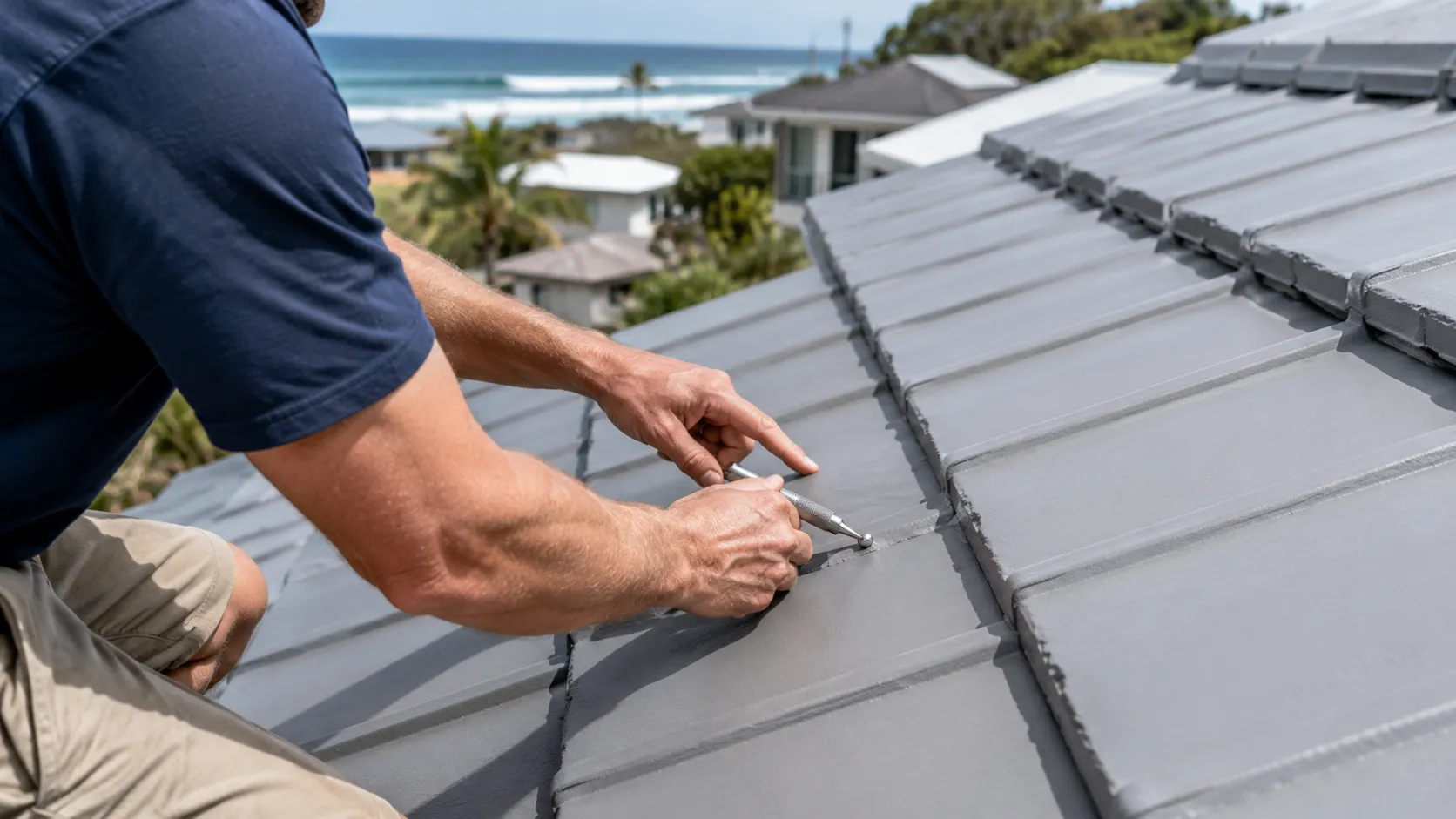
Several structural, surface and weather-related checks can help determine whether a roof is ready to be painted.
A professional assessment is particularly important when the roof has:
Roofs closer to the coastline may benefit from more frequent inspections because salt and moisture can accelerate deterioration.
Assessments are also useful after major storms, prolonged wet periods or visible changes in the coating.
A thorough assessment should consider both the visible roof surface and the condition of related components.
Important checks include:
Any issues, such as active rust, damaged tiles, degraded pointing or failed sealants, should be repaired before painting proceeds.
If the substrate is too deteriorated, the correct recommendation may be targeted replacement or broader roof repairs rather than coating.
Maintenance can help identify coating problems before they spread. A planned approach to post-restoration roof maintenance can help identify contamination, corrosion and coating damage before they spread. Coastal roofs should be inspected periodically and after severe storms.
Areas to monitor include:
Where recommended for the roofing material, accessible areas may benefit from periodic fresh-water washing to reduce salt build-up.
Homeowners should not climb onto a roof to perform cleaning or inspections without appropriate training and fall-prevention equipment. Work requiring roof access should be completed by trained professionals using appropriate fall-prevention controls.
Coastal weather can have a direct impact on the performance and lifespan of roof coatings. Salt contamination, UV exposure, humidity, rain, wind and thermal movement place additional demands on both the roof and the products applied to it.
Achieving a durable finish requires more than selecting a roof colour. The roof must first be assessed, repaired, cleaned and prepared using methods that suit the substrate. Compatible primers, sealers and coatings must then be applied within the manufacturer’s specified weather and curing conditions.
A properly specified roof-coating system can improve weather protection, refresh the roof’s appearance and, where a suitable reflective colour is selected, help reduce solar heat absorption.
Town and Country Roof Restoration provides roof painting in Newcastle that accounts for local coastal exposure, roof condition and material compatibility, helping property owners achieve a sound and long-lasting finish.
No job and no roof is too big for our team of roofing contractors. We have the experience, skills and equipment to make your roof look and function the way you’d like it to.
Whether you want to paint your roof or remove asbestos, we can help!

