Roof painting lasts longer when the surface underneath is sound, clean and dry. Faded colour may be the reason a homeowner starts thinking about painting, but the condition of the roof, the quality of preparation and the weather on the day all affect how well the coating performs. For property owners considering roof painting in Newcastle, knowing whether a roof is properly prepared can help prevent peeling, blistering and early coating failure.
Town and Country Roof Restoration explains what should be checked before a roof is painted, including repairs, surface cleaning, old paint, roof materials and suitable weather conditions. These checks help determine whether the roof is ready for a new protective coating or whether further maintenance is needed first.
A roof should be inspected before painting so hidden issues can be found and repaired. Paint will not fix leaks, structural damage or moisture problems. If these issues are covered over, they can continue to worsen beneath the new coating and make future repairs more difficult.
A proper inspection looks beyond the surface colour. It checks whether the roof is structurally sound, weatherproof and suitable for a new coating. Once any problems have been identified and corrected, the roof has a stronger base for long-lasting paint adhesion.
Before any paint is applied, the roof structure must be sound. Broken, loose or sagging tiles and sheets are clear signs that repairs are still needed. The surface should be stable, with no soft spots that may point to damaged battens, weakened decking or deeper structural issues.
On a tiled roof, cracked tiles should be replaced and ridge caps should be checked for movement, gaps or crumbling bedding. On metal roofs, the inspection should look for rusted-through areas, loose screws, warped sheets and lifting laps. A roof that flexes noticeably or creaks under light foot traffic is not ready for painting.
Paint should never be used to hide a leak. Before painting, the roof should be checked from both outside and inside the property for signs of water entry. Inside the home, warning signs may include water stains on ceilings or walls, peeling paint near cornices and damp insulation in the roof space.
Outside, the focus should be on cracked pointing, failed sealant around penetrations and gaps at flashing edges. Flashings around chimneys, skylights and vents need to sit flat and tight, with no rust holes or lifted edges. Valleys should also be clear of debris and free from corrosion or cracks.
Surface issues can also affect whether a roof is ready for painting. Moss, lichen, mould, rust and failing old coatings all need to be dealt with before a new coating is applied.
On metal roofs, rust should be checked to see whether it is only on the surface or has eaten into the sheet. Light surface rust can usually be treated and primed. Deep pitting, flaking rust or holes may mean sections need to be replaced before painting. Old paint also needs to be checked for flaking, chalking or peeling because these problems can stop the new coating from bonding properly.
Repairs are what make the roof safe, stable and ready to coat. Any broken tiles, rusted metal, loose fixings or damaged flashings should be repaired before painting begins. Painting over defects may improve the appearance for a short time, but it does not stop water entry, movement or corrosion.
Once the repair work is complete, the new coating has a cleaner and more reliable surface to bond to. This gives the paint a much better chance of lasting.
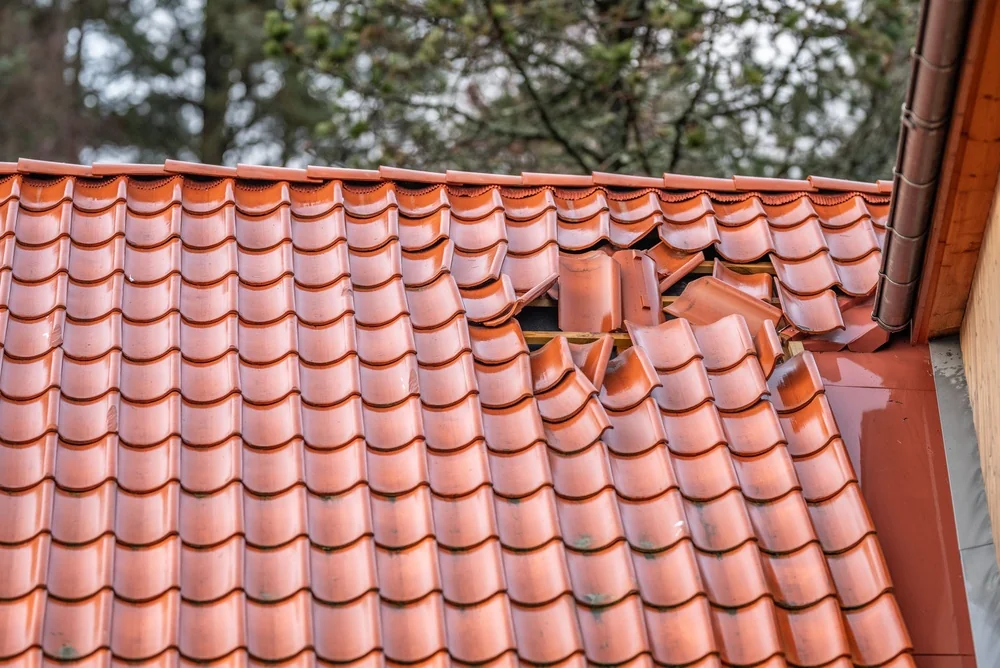
For tiled roofs, all cracked, chipped or missing tiles should be replaced before painting begins. Even hairline cracks can allow water to reach the underlay, which may lead to rot, mould or ceiling damage. Paint may cover a cracked tile visually, but it will not restore its strength or stop movement from reopening the crack.
Tiles should be checked for snapped corners, spalled edges, fine cracks running from nail holes and surface fretting on older concrete tiles. Any damaged tiles should be replaced with matching profiles so the roof still sheds water correctly. Ridge capping, bedding and pointing should also be repaired where it has pulled away, cracked or crumbled.
On metal roofs, rust must be treated before coating. Surface rust needs thorough cleaning, followed by a suitable rust converter and metal primer. Deep pitting, flaking rust or holes usually mean the affected sections need patching or replacement rather than paint alone.
Loose or worn fixings should also be replaced with suitable roofing screws. Lifted laps and loose flashings need to be secured so the roof sits flat and remains watertight. A metal roof is not ready for painting while it is actively corroding or able to move under foot traffic or wind.
A paint-ready roof needs to be clean, dry and free from anything that can interfere with adhesion. Paint does not bond properly to dirt, chalky residue, moss, lichen, salt, grease or damp patches. Even high-quality roof coatings can fail if the surface preparation is poor.
Before any colour is applied, the roof should look and feel different from its weathered state. Tiles or metal sheets should be free of loose material, biological growth and obvious staining. The surface should also feel slightly rough or keyed rather than slippery, dusty or powdery.
A clean roof is more than just visually tidy. It needs to be free from anything that sits between the coating and the roof material.
For concrete or terracotta tiles, moss, lichen and mould should be removed, usually through pressure cleaning with suitable equipment and cleaning methods. Any chalky or powdery layer that comes off on a hand when rubbed is a sign that more preparation is needed. Mortar dust, leaf stains and bird droppings should also be removed because they can create weak points in the coating.
On metal roofs, flaking paint, rust scale, salt residue and built-up dirt must be cleared. The surface should not feel oily or slippery. Old sealants, silicone and grease need to be cut back or removed completely because paint does not bond reliably to them.
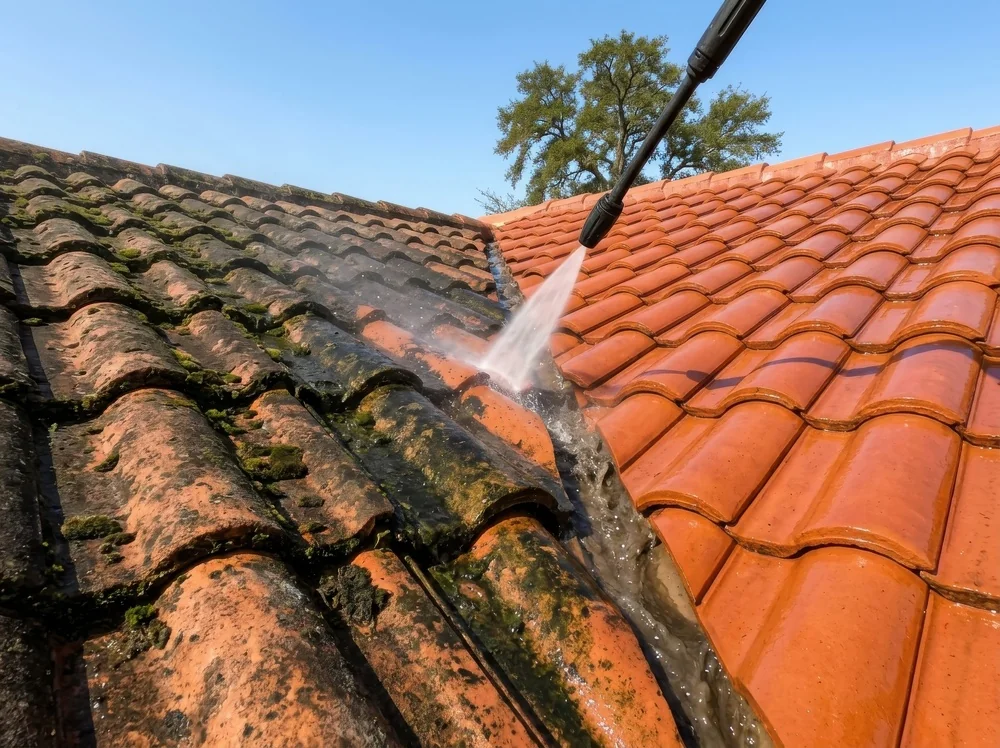
Paint should only be applied to a roof that is dry through the surface, not just dry to the eye. Moisture trapped under a coating can lead to blistering, peeling and early failure.
Tiles or metal sheets should be allowed to dry after washing until there is no visible darkening from leftover moisture. In cooler or more humid conditions, this can mean waiting longer than a single sunny afternoon. Shaded areas under trees or on the southern side of a home often stay damp the longest and should be checked carefully before painting begins.
A paint-ready roof needs a surface the coating can grip. This often means a slightly etched or keyed finish rather than a polished or glossy one.
For metal roofs, any remaining gloss may need to be reduced with light abrasion or suitable primers so the new coating can bond properly. Tiles should not have loose sand, granules or dust that brush away easily. If a hand run over the surface picks up chalky residue, further cleaning or priming is needed.
Primer can also show whether the surface has been prepared properly. It should sit evenly without fisheyes, beading or patchy areas. If primer pulls away or sits unevenly, there may still be hidden moisture, residue or contamination on the surface.
A roof can often be repainted if the existing coating is still firmly attached. If the old paint or membrane is not lifting, flaking or curling at the edges, it may provide a stable base for a new coating after proper cleaning and preparation.
The old coating does not need to look perfect. Fading and minor chalking are common on older roofs. The main question is whether the coating is still bonded to the roof surface. Peeling, bubbling or widespread flaking must be fixed before repainting.
A visual inspection should look for large areas of intact coating without visible flakes or sheets of paint lifting away. Hips, ridges, valleys and areas around skylights, vents and other roof penetrations should be checked closely because coatings often fail there first.
A simple adhesion check can also help. A strip of strong tape can be pressed onto an easy-to-reach painted surface and pulled back sharply. If only a small amount of pigment dust comes away and no flakes or strips of paint lift with the tape, the existing coating is more likely to be stable enough to repaint after preparation.
If the existing paint or sealant is still well bonded, it can provide a useful base between the new coating and the roof material. This can help on older metal roofs or aged tiles where the surface has weathered but the previous coating is still stable.
A sound existing coating can also reduce the amount of stripping required. Instead of removing large sections of old paint, preparation can focus on pressure cleaning, spot repairs, bare surface priming and checking that the old and new coating systems are compatible.
Not every roof should be painted. The roof material affects which coating systems are likely to last and which may peel, flake or fail early. Before preparation or colour selection begins, the surface needs to be suitable for painting.
Concrete tiles, some metal roofs and certain terracotta tiles can respond well to roof coating systems when they are prepared correctly. Other materials need more caution, especially if they are heavily glazed, badly deteriorated or already coated with incompatible products.
Concrete roof tiles often respond well to painting. Once they are properly cleaned and primed, the porous concrete surface allows acrylic roof membranes to bond strongly. Painting can refresh faded colour, improve water shedding and extend service life, as long as damaged tiles are replaced first.
Metal roofs can also be repainted when the original finish has chalked or faded. With correct cleaning, rust treatment and a compatible metal primer, modern roof coatings can restore appearance and help protect against corrosion. The metal must still be structurally intact before painting begins.
Terracotta tiles can sometimes be coated if they are unglazed or if the glaze has weathered enough to allow adhesion. Specialist primers are often required, and the roof should be assessed carefully before painting.
Previously coated roofs need careful assessment. If earlier coatings are peeling, chalking heavily or incompatible with modern products, they may need extensive removal. Any new system must be compatible with both the roof material and the old coating that remains in place.
Glazed terracotta with a hard, intact gloss surface is difficult for standard paints to grip. Only specialist systems designed for glazed tiles should be considered, and even then, results can vary. In many cases, cleaning and maintenance may be safer than painting.
Metal roofs with heavy corrosion also need caution. Light surface rust can often be treated, but pitted or flaking rust that has reduced the metal thickness is a warning sign. Local repair or sheet replacement may be needed before a coating can perform properly.
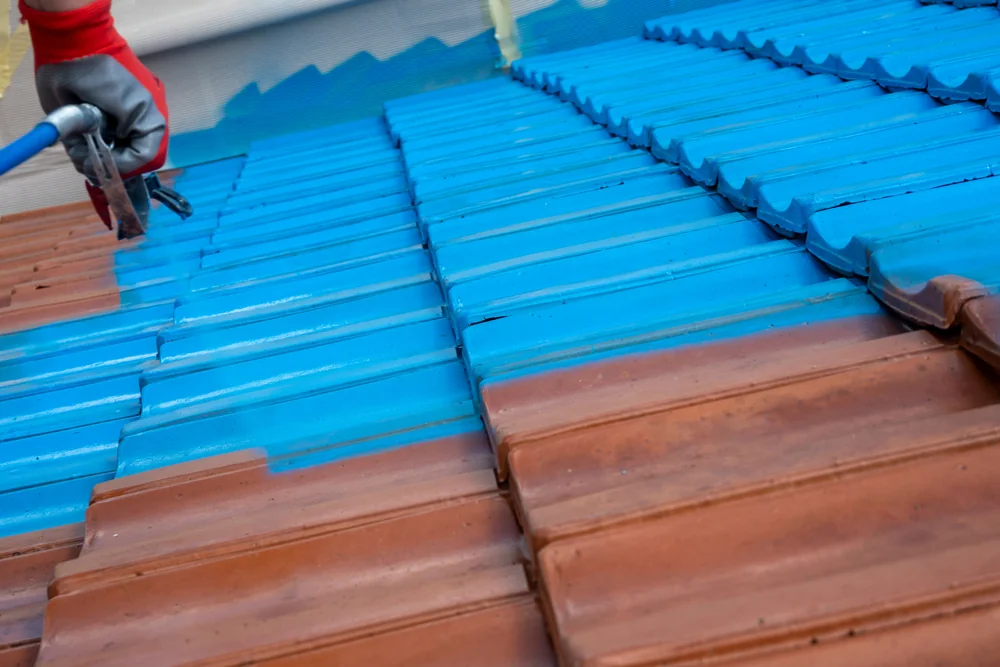
A roof may be physically ready for paint, but the weather still needs to be right. Roof paint performs best when it is applied in conditions that allow it to dry and cure properly. Temperature, humidity, wind and rain risk all affect the final result.
Poor weather can lead to patchy colour, blistering, poor adhesion or early coating failure. A roof is not ready for painting until both the surface and the forecast are suitable.
Most quality roof paints cure best within a mild temperature range. As a general guide, conditions between about 15°C and 30°C are often preferred. Below this range, coatings can thicken, dry slowly and bond poorly. Above it, paint may dry too quickly on the surface while staying soft underneath.
Surface temperature is just as important as air temperature. On a sunny day, metal sheets or dark tiles can become much hotter than the surrounding air. If the roof surface is too hot to rest a hand on comfortably for a few seconds, it is likely too hot to paint. Early morning or late afternoon may provide a better application window.
Roof paint needs a dry surface and enough rain-free time after application. Recent rain, trapped moisture or morning dew can weaken adhesion and affect the first coat. The roof should be completely dry before painting begins.
Humidity also matters. High humidity slows evaporation and can leave coatings tacky for longer than expected. In coastal or stormy conditions, clear and settled weather is especially important. Heavy mist, fog or an approaching weather change can interfere with the curing process.
Strong wind can carry dust onto fresh paint, increase overspray and cause the coating to dry unevenly. Light air movement may be manageable, but gusty conditions should be avoided, especially when spraying.
Direct harsh sun can also create problems. Continuous strong sunlight during application can overheat the coating and affect curing. Planning work for cooler parts of the day and moving around the roof according to shade where practical can help create a more even finish.
Mild, stable periods in spring and autumn often provide the most reliable painting conditions. In the height of summer or during wet seasons, extra care is needed to choose a day that meets the required temperature, humidity, wind and rainfall conditions.
Not every roof is ready for paint, even if the colour has faded or the home is due for a refresh. Painting too soon can trap moisture, cover defects and shorten the life of the coating. In many cases, waiting until the roof is properly repaired and prepared leads to a better result.
Painting should be delayed if the roof has cracked or missing tiles, loose ridge capping, rusted-through metal sheets, unstable fixings, active leaks or visible movement underfoot. These issues need to be repaired before any coating is applied.
Work should also be delayed if the roof is still damp, dusty, chalky, oily or covered in loose material after washing. Flaking old coatings must be removed, and the surface may need further cleaning or priming before painting can proceed.
Unsuitable weather is another reason to wait. Rain, heavy humidity, strong wind, extreme heat or very cold conditions can all affect how the coating bonds and cures. A roof is ready for painting only when the surface is structurally sound, clean, dry, properly repaired and supported by favourable weather conditions.
No job and no roof is too big for our team of roofing contractors. We have the experience, skills and equipment to make your roof look and function the way you’d like it to.
Whether you want to paint your roof or remove asbestos, we can help!

