Knowing how long a roof restoration is likely to take helps property owners plan around trades, noise, access and any disruption to daily routines. For anyone considering roof restoration in Newcastle, the timeframe can vary depending on the roof’s size, pitch, condition, accessibility, roofing material and weather conditions.
Town and Country Roof Restoration can assess these factors before work begins to establish a realistic timeframe for the project. The restoration process may involve repairs, cleaning, surface preparation, priming and multiple coating stages, with each step requiring suitable conditions before the next can begin.
Most standard residential restorations can be completed within several working days, while larger, damaged or weather-affected roofs may take longer. Knowing what happens during each stage and what can cause delays makes it easier to plan around the work.
A roof restoration involves inspecting the roof, repairing damaged areas, cleaning and preparing the surface, then applying the required primers and protective coatings. The exact work depends on the roof’s material, condition, size and any issues identified during the initial inspection.
Repairs may include replacing cracked or broken tiles, repairing ridge capping, treating rust on metal roofing or renewing damaged flashing. Once these issues are addressed, the roof is cleaned and prepared so the coating system can be applied to a suitable surface.
The final stages involve priming, applying the specified roof coatings and allowing sufficient drying time between coats. A final inspection and clean-up then complete the restoration. The amount of repair and preparation required has a direct effect on the overall timeframe.
A typical roof restoration on a standard suburban home can take around 2 to 5 working days under suitable weather conditions. Most projects follow a similar sequence, beginning with inspection and repairs before moving through cleaning, preparation, coating and final checks.
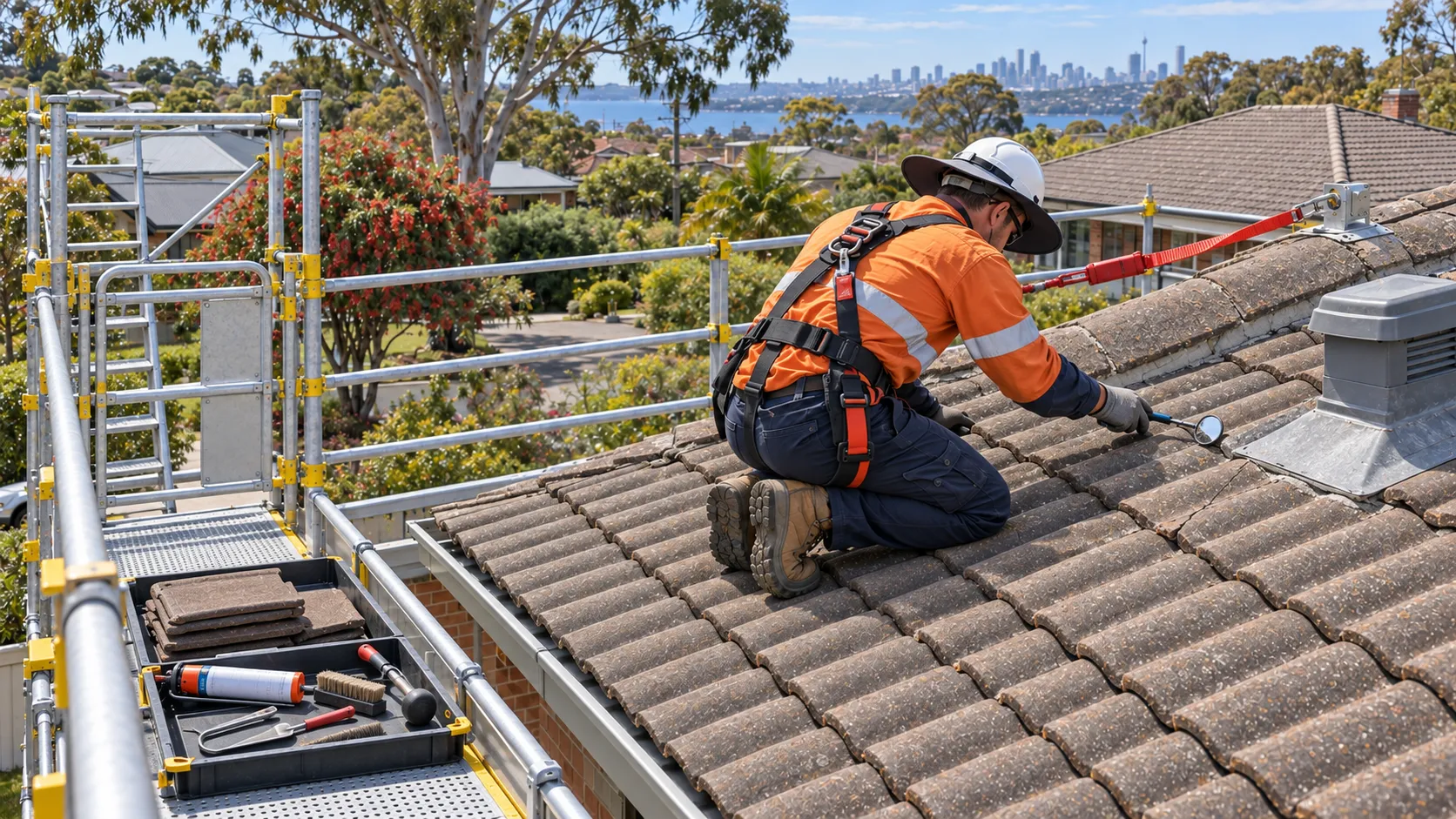
The first day usually involves inspecting the roof, setting up safety equipment and completing repairs needed before restoration work continues. Common repairs include replacing damaged tiles, securing loose roofing materials, repairing ridge capping and addressing deteriorated flashing.
Appropriate roof edge protection may be required to provide safe roof access before inspection and repair work begins.
A roof in reasonable condition may require only part of the day for repairs, while extensive damage or a more complex roof can extend this stage.
Once repairs are complete, the roof is cleaned to remove dirt, moss, lichen, loose material and old coating residue. The surface is then prepared for priming and coating.
Larger roofs, steep pitches or heavy buildup can make this stage take longer. The roof must also be sufficiently dry before coating begins, so wet or humid conditions can affect the schedule.
The final stage involves applying primer and the required roof coatings. Drying time between coats depends on the product used and the surroundings, so this stage can take one or several days.
Once the final coat has been applied, the roof needs sufficient time to dry and begin curing before it is disturbed. A final inspection and clean-up then complete the restoration.
The time required for each stage varies according to different circumstances, factors and the overall work involved. The following provides a general indication rather than a fixed schedule for every property.
Inspection, setup and minor repairs can often be completed within a few hours to a full day. More extensive damage, such as widespread rust, damaged battens or water-related issues, can require additional time before restoration continues.
Cleaning and surface preparation can take around half a day to a full day for an average residential roof. Larger surfaces, heavy buildup and difficult access can extend this stage.
The roof must also be sufficiently dry before priming and coating can begin. Cool, humid or wet conditions can therefore add time.
Priming and applying roof coatings can take one to several days depending on the roof size, coating system and weather. Each coat needs adequate drying time before the next is applied, so the process should not be rushed.
Once the final coating has dried sufficiently, the roof can be inspected and the site cleaned up. Completed repairs and detailing can be checked before equipment and debris are removed.
Several issues can extend a restoration beyond the expected timeframe. Some are known before work begins, while others only become apparent once the roof has been cleaned and prepared.
Large or complex roofs require more time because there is more surface area to clean, repair and coat. Steep pitches, multiple roof sections and limited access for ladders or equipment can also slow the work.
Existing damage can add further time. Broken tiles, deteriorated ridge capping, rusted metal, damaged flashing or hidden water damage may need to be repaired before coating can begin.
Rain, high winds, humidity and cooler temperatures can delay restoration work. Roof surfaces need to be dry before many products can be applied, while primers and coatings require suitable conditions and sufficient drying time between coats.
Waiting for suitable conditions may extend the schedule, but rushing wet-weather work or reducing drying times can affect the quality and durability of the finished coating system.
Suitable application conditions and adequate drying times can help prevent premature restoration failure, including peeling, blistering and poor coating adhesion.
Material availability can affect the timeframe when replacement tiles, specialised coatings or matching roofing products need to be sourced. Difficult site access, restricted working hours or limited space for equipment and materials can also reduce the amount of work completed each day.
A detailed roof inspection and clear scope of work can help identify potential delays early and provide a more realistic schedule.
Roof size and condition are two of the main factors used to estimate the overall restoration timeframe. A larger roof requires more time for cleaning, repairs and coating, while a deteriorated roof may need additional work before restoration can proceed.
A small residential roof in good condition may be completed within 1 to 2 days, while a larger or heavily weathered roof can take several days. Roof type, access and weather can also affect the final timeframe.
The larger the roof surface, the longer each restoration stage is likely to take. A straightforward single-storey roof may allow cleaning, repairs and coating to be completed relatively quickly, while a large two-storey or multi-section roof can require additional days for preparation and application.
Complex layouts with multiple gables, valleys and roof sections can also increase the time required because more areas need to be accessed and detailed. Limited access for ladders, safety equipment and materials can add further time.
The existing condition of the roof can have an effect on the timeframe. A roof with sound tiles or metal sheets, minor fading and limited damage may only require cleaning and minor repairs before coating.
More extensive deterioration can add substantial work. Cracked or displaced tiles, damaged ridge capping, rusted metal, deteriorated flashing or other underlying problems may need to be repaired before restoration can continue.
A small roof with extensive damage can therefore take longer than a larger roof in good condition. An on-site inspection allows the roofing contractor to assess the roof’s size, condition and access requirements before providing a more realistic estimate.
Roofing material can affect the restoration timeframe because tiles and metal roofing require different repair, preparation and coating methods. However, the material itself is only one part of the schedule. Roof size, condition, access and weather can also have a significant effect.
Restoration can be completed within several working days. More extensive damage or preparation requirements can increase the time needed.
Tile roofs may require individual cracked or broken tiles to be replaced before cleaning and coating can begin. Ridge capping may also need to be repaired, re-bedded or re-pointed where the existing mortar has deteriorated.
A tile roof in good condition can progress through the restoration stages without delays. Older roofs with widespread tile damage, deteriorated ridge capping or heavy moss and lichen growth may require additional preparation and repair time.
Metal roof restoration can involve cleaning the surface, addressing loose fixings, treating rust and repairing damaged sheets or flashing before primer and protective coatings are applied.
A sound metal roof with minor surface issues may be restored within a few working days. Extensive corrosion, damaged sheets or difficult access can extend the project because repairs and surface preparation need to be completed before coating.
Ultimately, roof type provides a starting point rather than a fixed timeframe. An inspection allows the roofing contractor to assess the material, condition and work required before providing a more realistic estimate.
Yes, weather can affect how long a roof restoration takes. Rain, strong winds, high humidity and cooler temperatures can delay work during roof cleaning, repairs, priming and coating. Wet or unsafe conditions may require work to pause until the roof is dry and safe to access.
Weather can also affect drying and curing times between coats. Primers and coatings need suitable conditions to dry properly, so cooler or more humid weather may extend the time between stages. Following the product manufacturer’s drying requirements helps achieve a suitable finish and long-lasting result.
Allowing some flexibility in the schedule helps ensure each stage is completed under suitable conditions rather than rushing work to meet a fixed completion date.
Yes, roof repairs can usually be completed as part of the restoration process. Repairs are carried out before cleaning, priming and coating so the roof is in suitable condition for the restoration work. Common repairs include replacing damaged tiles, securing loose materials, repairing ridge capping, treating rust and fixing deteriorated flashing.
Minor repairs can often be included within the planned restoration timeframe, particularly when access and equipment are already in place. More extensive problems, such as damaged battens, widespread corrosion or water damage, may require additional repair work and extend the project.
An inspection before work begins can help identify likely repairs and provide a more accurate timeframe. If hidden damage is discovered during cleaning or preparation, the schedule may need to be adjusted before coating can continue.
A newly restored roof should be left undisturbed until the final coating has dried sufficiently. The roof may need to remain undisturbed for at least 24 hours, although the exact period depends on the coating system, weather conditions and manufacturer’s requirements.
Foot traffic, ladders and equipment should be kept off the roof during the early drying and curing period. Cool, humid or wet weather can extend this timeframe and rain shortly after application may affect the finish if the coating has not dried properly.
The roofing contractor can confirm when the roof is ready for normal access and use. Following the recommended drying and curing period helps protect the new coating from marks, damage and premature wear.
Once the coating has cured, following a practical roof maintenance guide can help protect the restored surface and identify emerging problems early.
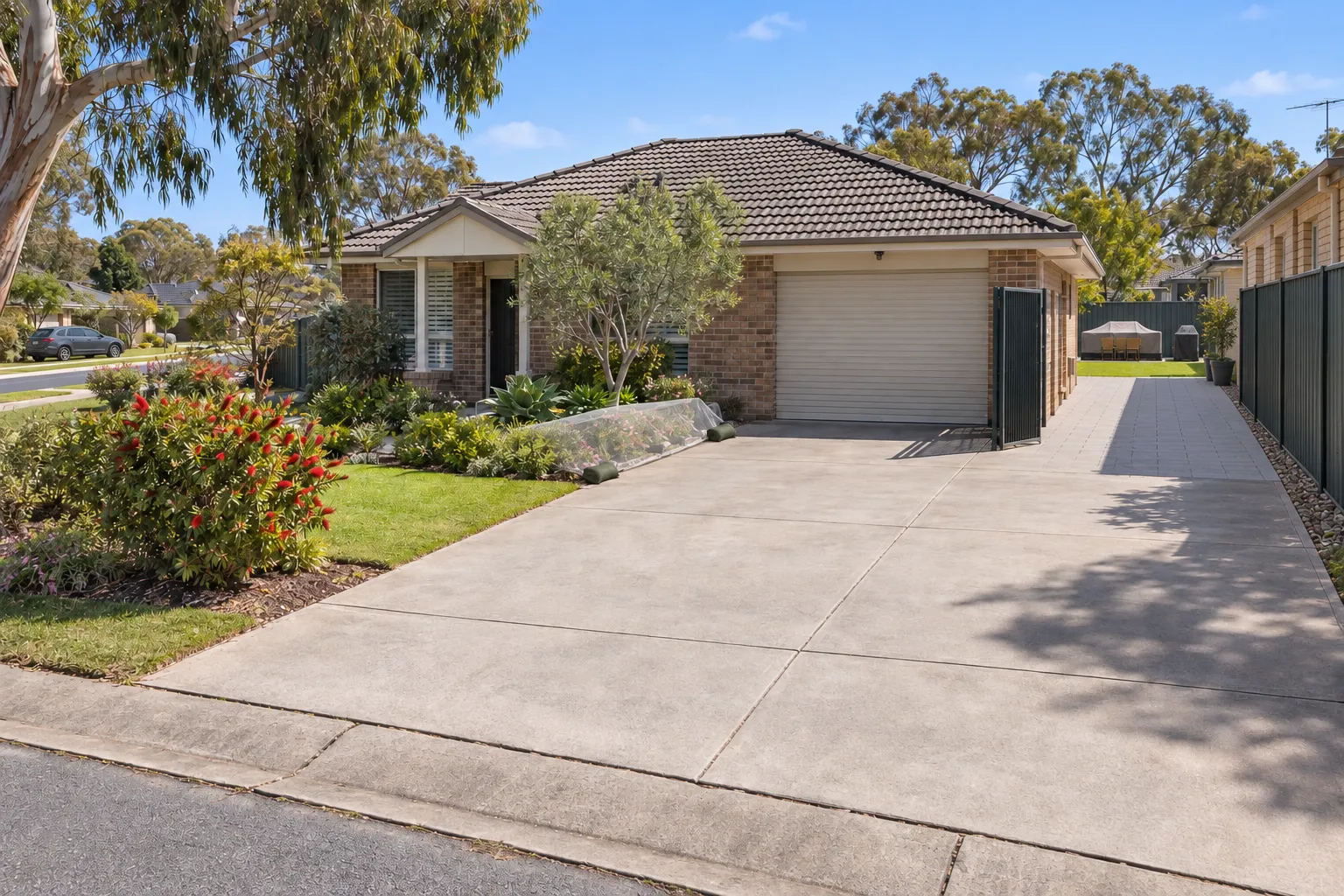
Preparing the property before a roof restoration can help the work start on time and reduce unnecessary disruption. Most preparation can be completed in the days before the scheduled start date.
The time required for a roof restoration depends on various factors. Many residential restorations can be completed within several working days, while larger, damaged or more complex roofs may require additional time. Town and Country Roof Restoration can assess these factors before work begins and provide a realistic timeframe based on the roof’s condition and restoration requirements. Allowing enough time for repairs, preparation, drying and curing helps ensure the work is completed properly without unnecessary delays or rushed stages.
No job and no roof is too big for our team of roofing contractors. We have the experience, skills and equipment to make your roof look and function the way you’d like it to.
Whether you want to paint your roof or remove asbestos, we can help!

