An older home often comes with a roof that quietly does its job until recurring issues begin to surface. At Town and Country Roof Restoration, a familiar pattern emerges where minor leaks, cracked tiles or faded finishes gradually turn into frequent repair calls. This article explores when ongoing roof repairs stop being cost-effective and replacement becomes the more practical option, especially for older homes considering roof restoration in Newcastle, where coastal conditions can accelerate wear. It outlines how repeated repairs, hidden damage and rising maintenance costs can quickly outweigh the perceived savings of short-term fixes.
The discussion also highlights how to recognise when a roof is nearing the end of its practical lifespan. Key warning signs in repair history, visible deterioration and financial patterns are examined to help determine when continued repairs no longer deliver value. Understanding these indicators supports a more informed decision between maintaining an ageing roof and investing in a replacement that offers stronger protection, improved performance and greater long-term cost control.
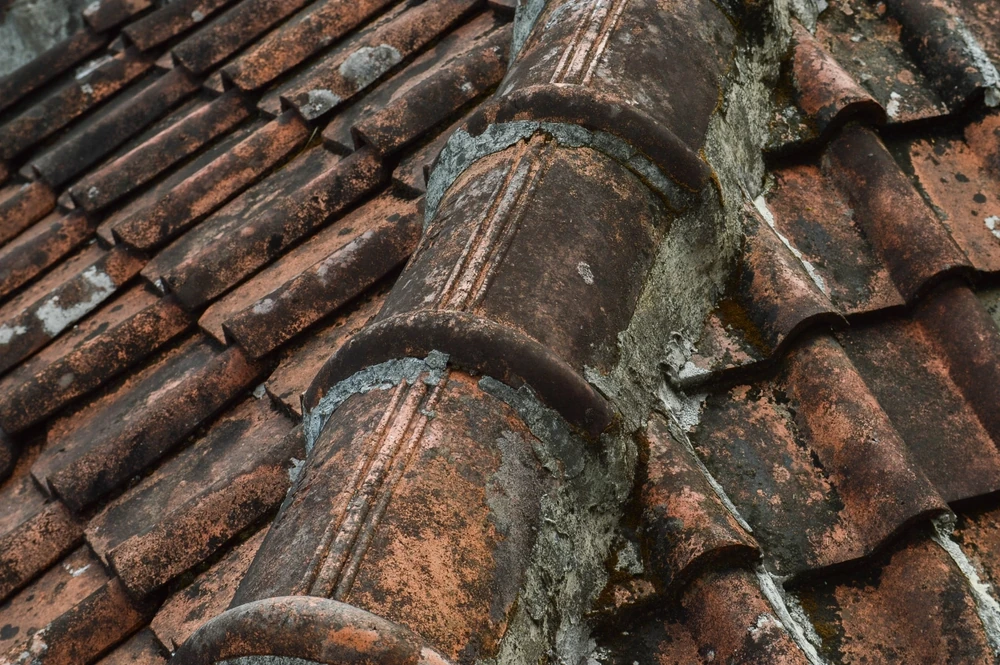
As a roof approaches the end of its service life, small fixes often turn into recurring costs that start to rival the price of a full replacement. What once worked as a practical short-term solution begins to drain the maintenance budget without improving the roof’s long-term reliability or performance.
Understanding why this shift happens helps decide when to stop patching and start planning for a new roof. Several predictable age-related factors increase both the frequency and cost of repairs while reducing the value received from each dollar spent.
Roofing materials lose flexibility, weather resistance and structural integrity as they age. Tiles crack more easily, metal can corrode or fatigue and older underlay becomes brittle. When the surface weakens, water can travel further under the roofing before it is noticed, which means a single visible leak often hides a wider problem.
Each repair may only address the symptom that is obvious at the time, such as one leak or a few broken tiles. However, the surrounding materials are often in the same aged condition and will likely fail soon. This creates a cycle where one repair leads to another in a different spot a few months later. The result is multiple call-outs and labour charges for issues that all stem from the same underlying age-related wear.
A common misconception is that frequent repairs extend the life of an old roof. In reality, patching isolated faults on a roof that is already near the end of its expected lifespan rarely adds many extra years of reliable service.
If a roof has reached the stage where leaks occur regularly or different areas have needed attention within a short time frame, it is usually a sign that the entire system is tired. Replacing a few sheets, tiles or flashings does not modernise the rest of the structure or bring it up to current standards. The roof may still have:
Money spent on repairs in this situation delivers diminishing returns because the roof as a whole is still old and vulnerable.
Older roofs are more likely to allow water to travel into concealed areas where damage builds up unnoticed. By the time stains appear on ceilings or walls, there can already be rot in timber, rust on metal framing or mould in insulation. Each new leak on an aged roof raises the risk that repair costs will extend beyond the roof surface to internal damage.
In addition to direct repair costs, there are indirect expenses to consider, such as repeated call-out fees, disruption to household routines and potential interior refurbishment. At a certain point, those cumulative costs can approach the investment required for a full roof replacement. Providing a new warranty period improved weather protection and better long-term value.
At some point, an ageing roof can move from an occasional maintenance cost to a constant drain on the budget. When repairs start returning in a pattern instead of as isolated issues, it is a strong indication that the roof system as a whole is deteriorating rather than suffering from one‑off damage.
Recognising the signs of repeating repair expenses early helps avoid the cycle of patching the same problems every season. It also creates a clearer picture of when replacement may be the more economical long‑term choice.
The clearest warning sign is multiple callouts within a relatively short period. If leaks reappear in the same room or section of ceiling after recent work, the problem is likely broader than a single cracked tile or lifted sheet.
A pattern of similar issues is also significant. Regular fixes for loose ridge capping, recurring flashing failures around chimneys or skylights or ongoing repairs to the same valley indicate the surrounding materials are breaking down. Each repair may hold temporarily, but the underlying roof structure or waterproofing is no longer performing as a unified system.
Tracking invoices or reports over two to three years often reveals this pattern. If history shows a growing number of small jobs each season rather than a one‑off major repair, the roof is becoming a repeat expense.
Another sign is the relationship between repair costs and the age or expected life of the roof material. Towards the end of a roof’s service life, even minor damage can uncover wider deterioration, such as brittle tiles, corroded metal sheets or perished underlay.
If each visit is slightly more complex or costly than the last, it suggests the contractor is having to stabilise more of the surrounding area just to address a local defect. For example, what starts as a simple tile replacement may turn into relaying a larger section due to widespread cracking or movement.
When accumulated repair costs over a few years start to approach a percentage of a full replacement quote, the financial logic begins to tilt away from continual patching. At that point, repairs often extend the life of already tired materials rather than restoring a robust roof.
Some roofs develop issues that reappear with particular weather. Repeated leaks after heavy rain in the same storm direction or ongoing problems with lifted tiles and sheets after strong winds show the roof is no longer coping with local conditions.
If extra sealant, temporary patching or spot repairs around problem areas only last until the next severe season, the system as a whole may lack the structural integrity or weatherproof detailing it once had. Chronic issues such as ongoing moss damage on older tiles or repeated surface rust on ageing metal also indicate the materials are at the end of their practical life and will keep demanding attention.
There is a tipping point where patching an older roof no longer makes financial sense. When issues are spread across large areas rather than confined to one or two trouble spots, repair bills often start to rival the cost of a full replacement yet provide a much shorter useful life.
Recognising when damage is too extensive helps avoid pouring money into temporary fixes that do not address the underlying decline of the roof structure or materials.
One isolated leak is typically repairable. When leaks appear in several rooms or on different sides of the house, it often signals widespread deterioration of the roofing surface or underlayment. In this situation, each visible leak is usually just a symptom of a more general failure in the waterproofing layer.
Telltale signs include repeated staining on ceilings after heavy rain, damp patches that reappear even after repairs, or water marks tracking along internal walls and down into cornices. If the source of one leak is repaired and another develops soon after in a different location, the overall system is likely breaking down rather than suffering from a single defect.
At that stage, ongoing leak repairs become reactive and piecemeal. Costs rise due to repeated call-outs and internal damage to plaster, insulation and electrical fittings while the remaining roof life continues to shorten.
Extensive material failure is another clear indicator that replacement is more practical than repair. For tiled roofs, this may show as widespread cracking or spalling across many tiles, not just in high-traffic or isolated-impact areas. For metal roofs, it may appear as large sections of surface rust, corrosion around many fasteners, lifting sheets or numerous loose or perished screws and washers.
If every visit to the roof uncovers more damaged tiles, soft spots in battens or new rust patches, the roof is no longer sound as a system. Replacing a handful of tiles or sheets is cost-effective when the surrounding materials are in good condition. Once a high percentage of components are failing, the labour involved in selective replacement can exceed that of installing a new roofing surface that will perform reliably for decades.
Roof age is one of the clearest indicators of whether continued repairs still make financial sense. As a roof approaches the end of its expected lifespan, the likelihood of new leaks and hidden damage increases, which can quickly turn small repair bills into an ongoing expense. Understanding how old the roof is and how many serviceable years are realistically left helps decide if money is better put towards a full replacement instead of patchwork fixes.
Different roofing materials have different lifespans, so the same leak on a 10-year-old metal roof and a 25-year-old tile or shingle roof should not be treated the same way. The key is to compare the cost and frequency of recent repairs against the remaining life still available in the existing roof structure and surface.
Knowing the typical service life of each material provides a benchmark for judging whether a roof is merely having a bad year or is simply worn out.
These ranges assume regular maintenance and no severe storm damage. If a roof is already near the upper end of its typical lifespan and is now leaking in several areas or losing tiles or sheets, it is far more likely that the entire system is deteriorating rather than just a few isolated spots.
Age should be combined with a physical assessment. A roof closer to the end of its life often shows:
If several of these age indicators are present across large areas, the remaining lifespan is likely limited even if no major leak has appeared yet. In that situation, regular repairs tend to become more frequent and more intrusive, which often tips the balance in favour of a planned replacement rather than ongoing reactive work.
There is a tipping point where continuing to patch an ageing roof quietly becomes the more expensive option. Identifying that moment early helps avoid repeated call-outs, interior damage and emergency work that quickly erode any perceived savings from short-term fixes.
Replacement becomes the smarter investment when the roof’s age, overall condition and repair pattern show that money spent on patching is unlikely to extend its safe service life by more than a few years. At that stage, a new roof often delivers better value, protection and predictability.
If repairs are becoming a regular line in the household budget, it is a warning that the roof system is failing as a whole rather than in isolated spots. Occasional minor repairs are normal on an older roof. However, replacement is usually more cost-effective when:
In these situations, the underlying materials are typically brittle, worn or structurally compromised. Each repair addresses a symptom, not the cause.
Every roof material has an expected service life under typical Australian conditions. Once it reaches the last quarter of that range, the economics change. A roof that is 25 to 30 years into a 30- to 35-year lifespan is statistically more likely to develop new leaks after every major weather event.
Replacement usually becomes the better investment when:
Each passing storm increases the risk of a major failure that can damage ceilings, wall linings, electricals and contents. The cost of repairing that type of consequential damage regularly exceeds the savings from delaying replacement by a few years.
The true cost of an ageing roof extends well beyond the next repair invoice. When leaks become recurring, materials reach the end of their service life and patchwork fixes begin to address symptoms rather than causes. Ongoing maintenance can quietly become a financial burden. Patterns such as frequent callouts, widespread material failure, persistent moisture issues and structural concerns indicate that the roof system is no longer performing as intended. With a clear understanding of the roof’s condition and realistic cost comparisons, the decision can shift from reactive maintenance to a strategic investment that supports the integrity of the home and long-term budget stability.
No job and no roof is too big for our team of roofing contractors. We have the experience, skills and equipment to make your roof look and function the way you’d like it to.
Whether you want to paint your roof or remove asbestos, we can help!

