Roof leaks that keep returning after being “fixed” are a common and frustrating issue, often pointing to deeper problems that standard patchwork fails to resolve. For homeowners dealing with roof repair in Newcastle, recurring ceiling stains and repeated water ingress usually mean the original cause was not properly identified, or that key components were overlooked during the repair. Town and Country Roof Restorations sees this often across Newcastle homes, where coastal conditions, ageing materials, poor flashing details and drainage issues can all contribute to leaks returning after rain.
This article examines why some leaks persist, what is frequently missed during inspections and how underlying faults in design, materials or workmanship can continue to cause damage long after initial repairs are applied.
Persistent roof leaks usually indicate that the original problem was not identified correctly or that the repair addressed only the symptom, not the source. When the same spot keeps leaking after rain, it is almost always a sign of an underlying issue with design, installation or deterioration that a quick patch cannot resolve.
Understanding why leaks return helps homeowners know what to look for in a roof assessment and what sort of repair is likely to last. Repeated leaks are rarely bad luck. They are more often the result of incomplete diagnosis, poor workmanship or aged materials that can no longer shed water effectively.
Many recurring leaks trace back to short-term fixes, such as sealant over cracks or gaps without correcting the construction problem underneath. Sealants and patches may hold temporarily, but UV exposure, movement in the roof structure and ongoing weather quickly break them down.
Common examples include applying silicone over failed flashing instead of replacing it or fixing visible water stains inside without tracing the leak path through the roof layers. Water can travel several metres before appearing on a ceiling, so only repairing the visible wet spot rarely solves the issue.
Lasting repairs usually involve lifting tiles or sheets, checking underlay and battens, then replacing deteriorated components around the leak point instead of covering them.
Flashings around chimneys, skylights, vents and wall junctions are among the most common sources of persistent leaks. If these are cut too short, not dressed correctly or not compatible with the roof profile, water will gradually get in, even if the area was recently worked on.
In older roofs, metal can rust, crack or pull away from mortar or sealant. Simply adding more sealant at the edges often fails because movement from wind and thermal expansion opens new gaps. Effective repair usually requires:
The same applies to penetrations like antenna mounts and pipe boots. If the flashing kit is the wrong size or not secured properly, leaks will recur despite repeated patching.

Another reason leaks keep returning is hidden deterioration beneath the surface. Roof underlay or sarking can tear, sag or rot, which allows wind-driven rain to bypass the outer roofing and soak into the structure. If only the top layer is inspected, this damage may be missed and the leak will reappear with the next heavy storm.
A roof that is near the end of its service life can also defeat repeated repairs. Brittle tiles, corroded metal sheets or decayed valleys may leak from multiple fine cracks that are hard to see from above. In such cases, treating one visible leak at a time will not stop new entry points from forming nearby. At a certain stage, more comprehensive restoration or partial replacement is needed to achieve a genuinely leak-free result.
Repeated leaks after a “repair” often mean the real entry point of water was never found in the first place. Water travels along timber, insulation and roofing materials before it finally drips into a ceiling or down a wall, so the damp patch a homeowner sees is rarely directly under the true leak. If the diagnosis is wrong, every patch, sealant bead or replacement tile is only treating a symptom, not the cause.
Correctly identifying the leak source requires time, methodical testing and an understanding of how different roof types behave in heavy weather. Quick visual checks or guesswork at the most obvious wet spot almost always lead to recurring problems.
The most common mistake is assuming the leak is directly above the internal stain. In reality, water can run several metres along rafters or sarking before it appears inside. On pitched roofs, this is common where valleys intersect or where ceilings are raked.
Another frequent error is focusing on “easy” suspects while ignoring hidden paths of water. For example a tradesperson may replace a cracked tile above the stain yet fail to inspect:
Wind-driven rain compounds the issue. A roof that appears sound in light rain can leak when wind pushes water under laps and flashings. If the inspection took place in dry, calm weather without any water testing, some entry points remain invisible.
Penetrations such as chimneys, skylights, vents and plumbing stacks are high-risk zones. When the source is guessed rather than proven, repairs often focus on the field of the roof instead of these details. Common oversights are the following:
Each of these issues may allow water to enter only during heavy downpours or when leaves block outlets partially. If the repair only involves resealing around the perimeter of a skylight or adding extra silicone at a chimney edge, the underlying flashing design fault remains and the leak returns.
Accurate diagnosis involves more than a quick walk over the roof. A thorough approach typically includes internal inspection of roof spaces for water trails, moisture staining and daylight through gaps, followed by a detailed external check of every joint, flashing, penetration and transition on the roof surface.
Targeted water testing is often required, starting low on the roof and moving upward section by section while another person watches inside for the first sign of water entry. Repairs should only proceed once the exact point and path of water ingress have been confirmed. Without this disciplined process, even high-quality workmanship will simply be applied in the wrong place and the leak will keep coming back.
Repeat roof leaks often have less to do with the exact spot where water appears on the ceiling and more to do with what is happening around that area. Flashings, drainage pathways and nearby worn materials can all channel water back to the same weak point even after it has been patched. Understanding how these elements interact is essential to stopping a leak from returning.
A repair that focuses only on sealing the visible hole without correcting faulty flashing, poor runoff or surrounding deterioration is usually temporary. Water will continue to find the easiest path back into the roof system until those underlying issues are addressed.
Flashing is the metal or flexible material installed around penetrations and joins such as chimneys, skylights, vents and wall junctions. Its job is to direct water away from vulnerable seams. When a leak keeps coming back near a penetration, the underlying cause is often ageing or poorly installed flashing rather than failed sealant. Some problems include flashing, which is:
A quick repair that simply smears sealant over old flashing usually fails once the sealant shrinks, moves with heat or separates from dusty or chalky surfaces. Long-lasting repairs require lifting surrounding materials, replacing or correctly refitting the flashing and ensuring laps and terminations follow manufacturer guidelines.
Roof surfaces rarely deteriorate in a perfectly isolated patch. If tiles, sheets or underlays around a leak are brittle, rusted or sun-damaged, any local repair sits in a weak neighbourhood. Water can travel under or around the patched spot through these nearby defects, then appear again in the same internal location.
Examples include cracked tiles above a repaired flashing, rusted laps near a patched screw hole or perished sarking that allows wind-driven rain to spread laterally. A durable repair requires inspecting at least a few courses or sheets around the obvious leak, replacing compromised materials and checking fixings, laps and seals throughout that zone so the repaired area is supported by sound roofing on all sides.
A leak that returns after what seemed like a proper repair often points to an underlying issue with the roof system rather than a simple isolated defect. Instead of a single cracked tile or worn patch of sealant, the problem may lie in the overall design, age or condition of the roof and its components.
Understanding when a repeated leak signals a larger problem helps determine whether another patch is reasonable or whether a more comprehensive inspection and solution are needed. Ignoring these warning signs can lead to hidden structural damage, higher long-term costs and potential safety risks.
A key indicator of a broader roof problem is a pattern rather than a one-off event. If water appears in the same general area after different types of weather, for example, both light showers and heavy storms, it often means water is finding multiple paths through a weak section of the roof system.
Repeated leaks that appear along a line, such as a valley between roof sections or where a roof meets a wall, suggest a design or installation fault, not just localised damage. Likewise, if new stains appear in several rooms under the same roof slope, the entire slope or its underlayment may be failing rather than a single entry point.
Another red flag is when different tradespeople have attempted repairs in the same area with only short-term success. Frequent resealing of flashings, repointing of bedding, or patching of underlayment with no lasting improvement usually indicates that the underlying construction choice or the age-related deterioration of materials is the real problem.
Recurring leaks often coincide with a roof reaching the end of its serviceable life. Tiles may still appear acceptable from the ground, but the supporting elements underneath may have broken down. Underlayment can become brittle or torn, battens can rot and fixings can corrode, so water gets past the primary covering more easily.
On older roofs, the cumulative movement from temperature changes and minor structural settling can open gaps around penetrations such as vents, skylights and chimneys. Re-sealing these areas might stop water for a short period, but if the surrounding materials have lost flexibility or strength, moisture will keep finding new points of entry.
Granule loss on older metal or tile coatings, rust on metal flashings and sagging in the roofline are further clues that the roof as a system is deteriorating. In such cases, ongoing patching tends to delay rather than prevent more repairs or partial replacement.
A leak that repeatedly returns in a relatively young roof often points towards a design or installation fault. Common examples include inadequate slope for the roofing material, poorly designed junctions between different roof sections or insufficient allowance for water flow in valleys and box gutters.
Incorrectly installed flashings around walls, chimneys and parapets are frequent culprits. If flashing is too short, not properly stepped into brickwork or lacks appropriate overlaps, water can be driven behind it by wind, even if sealant has been applied. Each repair that relies mainly on more sealant rather than correcting the metal work tends to fail again.
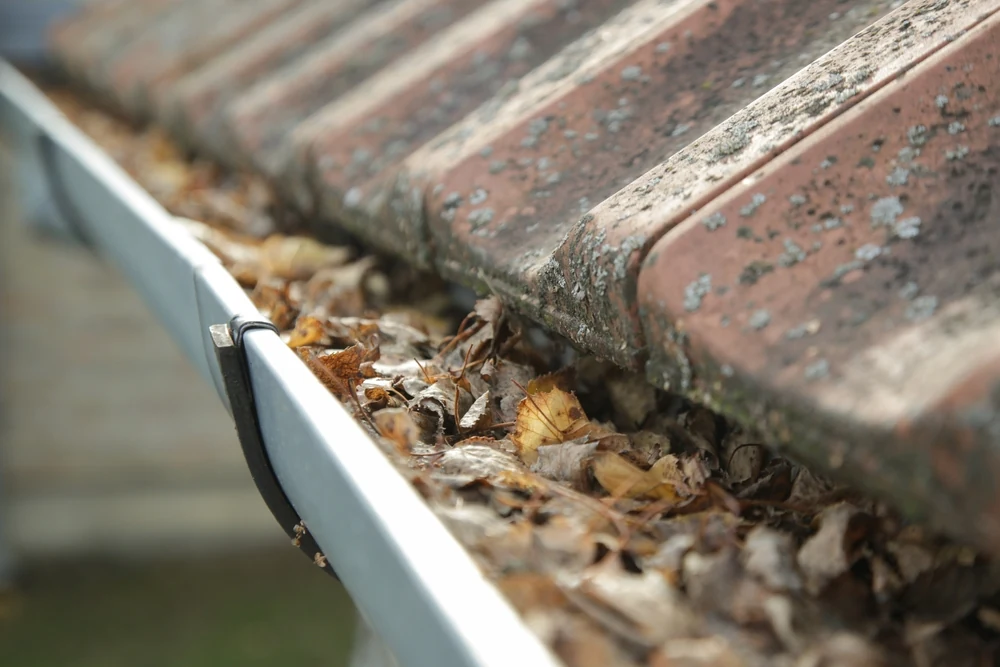
Blocked or undersized gutters and downpipes can also create recurring leak symptoms. When drainage cannot keep up with heavy rain, water can back up under the roof edge or into poorly detailed eaves. If this happens repeatedly, it usually indicates a need to review gutter capacity falls or the design of overflow provisions, not just clean leaves.
Recurring roof leaks are rarely random and more often stem from incomplete diagnosis, ineffective repairs, or broader issues within the roof system. Factors such as ageing materials, poorly installed flashings, inadequate drainage and overlooked structural deterioration all contribute to leaks returning over time. Long-term resolution depends on thorough inspection, accurate identification of water entry points and repair strategies that address the full roofing system rather than isolated symptoms. With the right approach, a leak becomes a one-time repair rather than an ongoing problem during every wet season.
No job and no roof is too big for our team of roofing contractors. We have the experience, skills and equipment to make your roof look and function the way you’d like it to.
Whether you want to paint your roof or remove asbestos, we can help!

