Newcastle’s coastal climate places constant pressure on residential roofs. Salt-laden air, intense sunlight, strong winds, heavy rain and seasonal temperature changes can gradually weaken roofing materials, coatings, flashings and drainage systems. Rather than treating roof maintenance as an occasional task, seasonal inspections help identify developing problems before they result in water ingress, structural deterioration or costly repairs.
For property owners considering roof restoration in Newcastle, understanding what to inspect throughout the year is an important part of long-term roof care. This guide outlines practical checks for each season, common signs of weather-related damage and situations that require professional attention. Town and Country Roof Restoration helps Newcastle homeowners stay ahead of seasonal roof problems and keep their roofing systems performing reliably in demanding coastal conditions.
Roofs in Newcastle and the wider Hunter region are exposed to a combination of coastal air, summer storms, strong winds, heavy rainfall and periods of intense UV exposure. These conditions affect roofing materials in different ways.
Salt deposits can accelerate corrosion on metal sheets, fixings, gutters and flashings. Heat and UV exposure may cause coatings, sealants and flexible roof components to deteriorate. Storms can loosen tiles, lift sheet edges and force rain beneath flashings, while fallen leaves and debris can block gutters and valleys.
Seasonal inspections make it easier to identify changes before they become serious. They also help homeowners prepare their roofs for the conditions most likely to occur during the coming months.
Homeowners should complete only those checks that can be performed safely from the ground or another secure location. Ladder work, roof-space entry, gutter cleaning and on-roof inspections should be left to people with suitable experience, access equipment and fall-prevention controls.
Spring is an ideal time to prepare the roof for warmer weather, summer rainfall and severe storms. The main priorities are clearing drainage paths, identifying materials that have moved during winter and checking seals before heavy rain arrives.

Begin with a visual inspection from ground level. Binoculars can help identify problems without requiring roof access.
On concrete or terracotta tiled roofs, look for:
Cracked or displaced tiles can increase the risk of water entering the roof system, particularly during wind-driven rain. A roofing professional should assess damaged areas and determine whether individual tiles can be replaced or whether movement elsewhere in the roof needs to be investigated.
On metal roofs, check for:
Minor surface changes do not always indicate structural failure, but new movement, lifted sheets or widespread coating breakdown should be professionally assessed.
Ridge capping protects the joins where roof slopes meet. On tiled roofs, inspect visible ridge and hip lines for:
Where repointing is required, a roofing professional should confirm that the bedding remains sound and select a compatible pointing system for the roof.
On metal roofs, look for loose screws, lifted capping edges, rusted fasteners and gaps at overlaps. Movement along a ridge or hip may allow wind-driven rain beneath the roofing and should be repaired before storm activity increases.
Flashings direct water away from roof joints and penetrations. Common inspection points include:
Check for lifted edges, rust, gaps, deteriorated sealant and loose fixings. Rubber penetration flashings or pipe boots should remain flexible and free from cracks, splits and separation at the base.
Temporary sealants should not be used as a substitute for correctly formed flashings and secure mechanical fixings. Where movement or deterioration is visible, the component may need to be removed and refitted rather than simply resealed.
Gutters, valleys and downpipes should be clear before the start of summer storm activity. Leaves, twigs, sediment and other debris can restrict water flow and cause water to overflow into eaves, wall cavities or roof spaces.
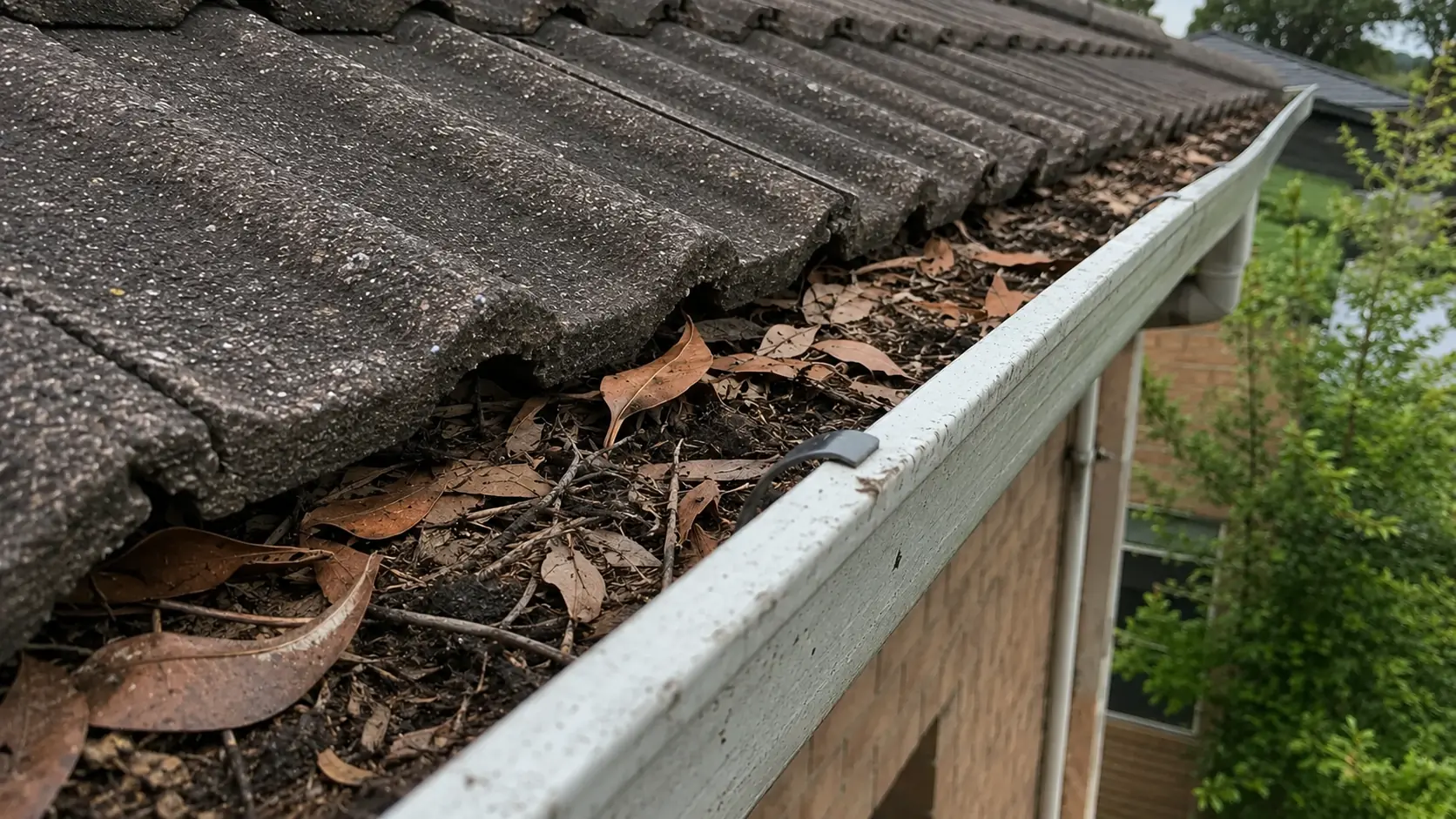
Homeowners should avoid climbing ladders or walking on the roof unless they have appropriate training and safety equipment. Professional cleaning is advisable for steep, high or difficult-to-access roofs.
Once debris has been removed, check for:
Standing water may indicate poor gutter fall or sagging sections. Valleys should remain straight and clear, with no debris obstructing water flow beneath cut tile edges.
Confirm that downpipes discharge through the property’s approved stormwater system and that water is not pooling beside walls or footings. Changes to stormwater drainage should comply with local plumbing and council requirements.
Summer roof maintenance should focus on storm preparation, UV-related deterioration and damage caused by strong winds or falling branches. Homeowners should prepare their roofs for storm season by repairing loose materials, clearing drainage paths and addressing surrounding hazards.
Before periods of severe weather, inspect the roof surface, roof edges, gutters, flashings and surrounding trees.
Look for:
Branches can scrape roofing surfaces, damage gutters and drop large amounts of debris during storms. Tree work near a roof should be completed by a suitably qualified professional, particularly where large limbs, powerlines or difficult access are involved.
Intense sunlight can gradually deteriorate roof coatings, sealants and rubber components.
Signs of UV-related wear may include:
A rough or powdery finish on a previously smooth coating may indicate age-related deterioration. However, the appropriate treatment depends on the roofing material and the condition of the existing surface. A professional assessment should be completed before applying new coatings or repair products.
Solar panels, aerials, satellite dishes and roof-mounted equipment can create areas where leaves, moisture and salt deposits collect.
From a safe viewing point, check for:
Do not attempt to move, lift or adjust solar panels or associated wiring. Roofing and electrical contractors may both be required where damage affects the roof and the solar system.
Once severe weather has passed and it is safe to inspect the property, a systematic check can help identify storm damage before the next rainfall event.
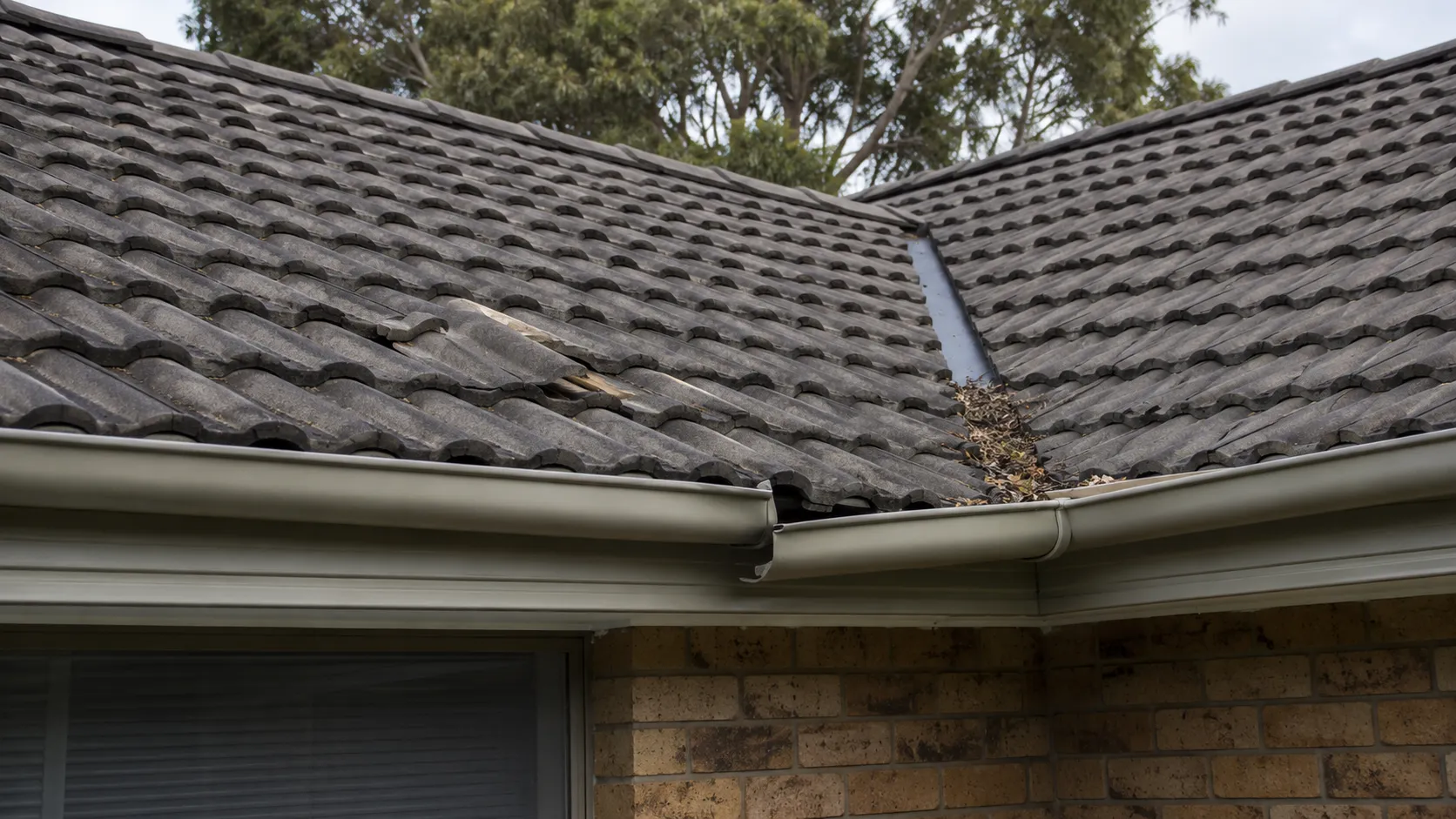
Begin from ground level and avoid climbing onto a wet or damaged roof. Visible damage or signs of water entry may require professional storm damage repairs before further rainfall occurs.
Walk around the perimeter of the property and look for:
Overflow marks on exterior walls may indicate blocked gutters, insufficient drainage capacity or guttering that has pulled away from the fascia.
Do not stand beneath damaged branches, loose roofing materials or unstable roof-mounted equipment.
Inspect ceilings and upper walls throughout the home, including wardrobes, hallways, garages and rooms that are not used regularly.
Look for:
A stain that dries after the rain has stopped still indicates that water entered the building and that the source should be investigated.
Roof-space access should be avoided where there is active leaking, visible structural damage, damaged electrical equipment or uncertainty about safe entry. A qualified professional can inspect for wet insulation, damp timbers, damaged sarking and other signs of water ingress.
Visible daylight alone does not always confirm the location of a leak, as some roof designs include ventilation openings or small gaps. Water staining and damp materials are more reliable indicators.
Autumn maintenance should concentrate on leaf litter, roof drainage and defects that developed during summer storms.
Falling leaves, twigs and organic matter can quickly accumulate in gutters, valleys and behind roof fixtures.
Debris should be removed from:
Organic material holds moisture against roofing surfaces and can accelerate corrosion, coating deterioration and biological growth.
Leaf-heavy properties may require more frequent cleaning, especially after strong winds. Gutter guards can reduce some debris but still require inspection and maintenance.
Once the guttering is clear, inspect it for:
Gutters should direct water towards downpipes without allowing water to remain in low spots. Persistent standing water may accelerate corrosion and place unnecessary strain on gutter brackets.
A slow-flowing or overflowing downpipe may contain compacted leaves, twigs or sediment. Blockages can also occur below ground.
Possible warning signs include:
Underground stormwater problems may require investigation by a licensed plumber. Roof restoration work does not correct damaged below-ground drainage unless that work is specifically included in the repair scope.
Winter inspections should focus on moisture, leaks, corrosion and sections of the roof that remain damp for extended periods.
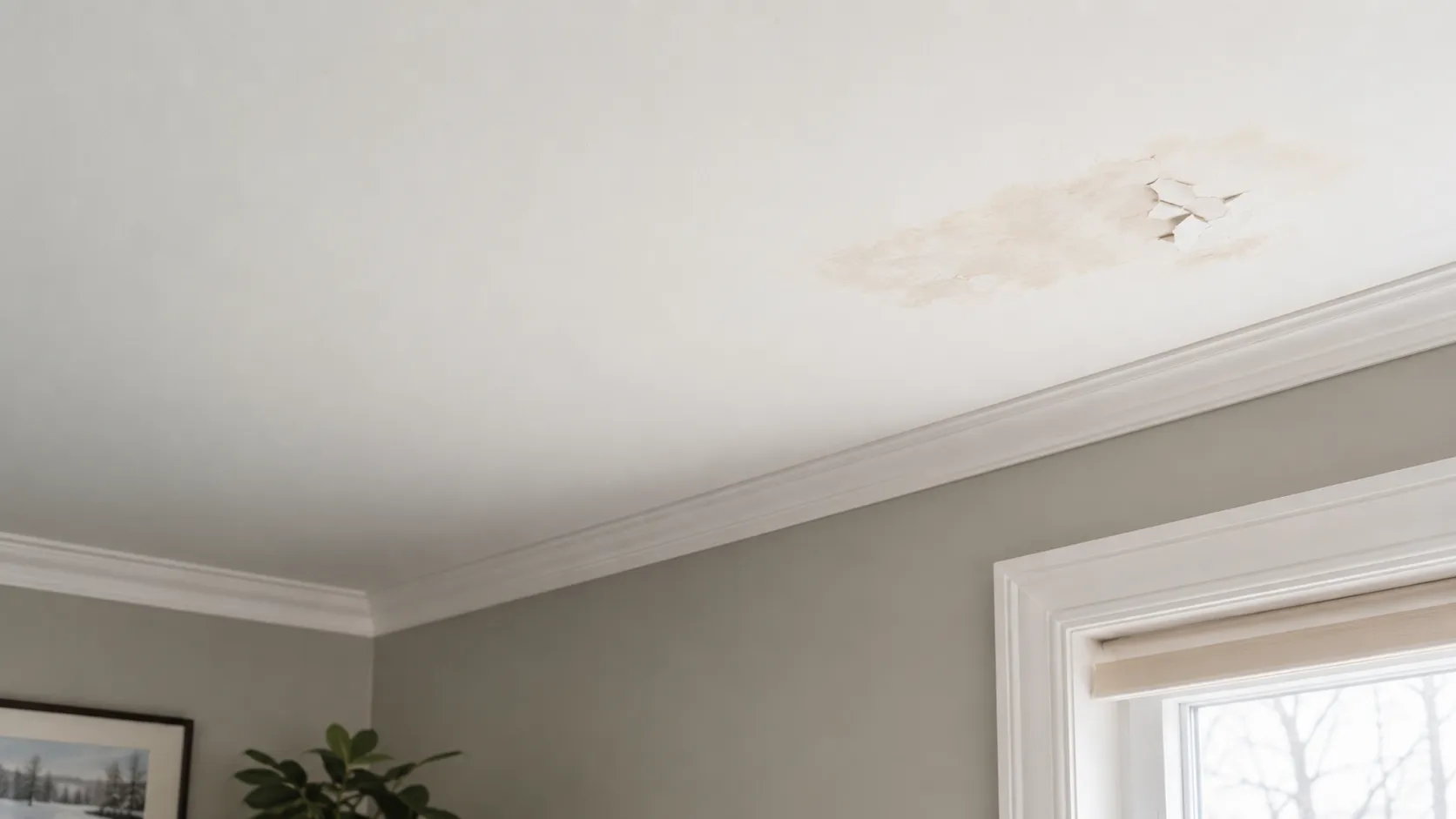
Frequent or prolonged rainfall can reveal leaks that are difficult to detect during dry weather.
Check internal areas for:
Moisture may travel along roof framing or insulation before becoming visible, so the internal stain may not sit directly beneath the source of the leak.
Homeowners should not inspect the roof during rain. However, wet weather can help identify where drainage problems occur.
From a safe indoor or ground-level position, look for:
These observations can help a roofing professional identify high-risk areas once conditions are safe.
Sections that receive limited sunlight may remain damp longer after rainfall. These areas may be more vulnerable to coating deterioration, corrosion and biological growth.
Common locations include:
Moss, lichen and algae should not be aggressively scraped or pressure washed, as this may damage tile surfaces or protective coatings. A roofing professional can recommend a treatment suited to the roofing material and the extent of growth.
Coastal air can accelerate corrosion on metal roof sheets, gutters, flashings, fixings and exposed cut edges. The level of risk depends on the property’s exposure, prevailing winds, roof design, surrounding development and roofing materials. Understanding how salt air damages roofs can help homeowners recognise corrosion before it spreads into surrounding materials.
Corrosion commonly begins around:
Early signs include orange or brown staining, bubbling paint, pitting and coating breakdown. Advanced corrosion may result in thin, weakened or perforated metal.
Where recommended by the roofing manufacturer, safely accessible areas that are not naturally washed by rain may benefit from periodic fresh-water cleaning. Any cleaning that requires roof access should be completed by a trained professional using an appropriate method that will not damage protective coatings.
Small areas of surface corrosion may be repairable, while perforated or deeply pitted metal requires professional assessment. The appropriate repair may involve replacing a flashing, gutter section, valley, individual sheet or a larger section of roofing.
Cleaning and routine observation are maintenance tasks. Damage to roofing materials, active leaks and structural movement require professional assessment.
Arrange an inspection when there are:
The extent of the repair cannot always be determined from the ground. Damage in one location may be connected to movement, impact or deterioration elsewhere.
Loose, split, corroded or poorly formed flashings can allow wind-driven rain to bypass otherwise sound roofing materials.
Professional repairs may be required where there are:
Repeatedly applying sealant rarely provides a durable solution where the flashing itself has moved or deteriorated.
Signs that water has already entered the building include:
Even where the visible area dries, the cause of the leak remains and may worsen during the next period of heavy rain.
Sagging roof lines, uneven ridges, widespread tile movement or distorted metal sheets should not be treated as routine maintenance concerns.
These signs may relate to:
A roofing professional may need to inspect the roof covering and underlying structure before recommending repairs or restoration work.
A professional inspection is recommended when:
A qualified roofer can assess the roof surface, drainage components, flashings, penetrations and visible structural elements. The inspection can then determine whether the roof needs minor repairs, targeted replacement work, recoating or a more comprehensive restoration.
A well-planned seasonal maintenance routine is one of the most effective ways to protect a roof from Newcastle’s demanding coastal conditions. Spring preparation helps reduce storm risk, summer checks identify wind and UV damage, autumn maintenance keeps drainage systems clear and winter inspections reveal moisture and corrosion problems.
Homeowners should keep inspections at ground level wherever possible and arrange professional assistance for work involving ladders, roof access, storm damage or active leaks. Addressing damaged tiles, failing flashings, blocked drainage and early corrosion promptly can prevent minor deterioration from developing into extensive roof repairs.
Town and Country Roof Restoration helps Newcastle homeowners identify developing roof problems, complete appropriate repairs and restore ageing roofing systems before minor damage becomes more serious.
No job and no roof is too big for our team of roofing contractors. We have the experience, skills and equipment to make your roof look and function the way you’d like it to.
Whether you want to paint your roof or remove asbestos, we can help!

