Roof leak detection Newcastle homeowners can trust starts with one simple rule: find the cause before fixing anything. We work out exactly where water is getting in and why, so you get a clear answer and a sensible plan.
Water is sneaky once it gets past the outer layer of a roof. It can run along a batten, drip down a rafter or travel across sarking and insulation before it finally shows up as a damp patch on your plaster. By the time you see the stain, the actual entry point can be well away from it.
That is why so many leaks seem to "come back" after a quick fix. If the wrong tile is replaced or the wrong joint is sealed, the real gap is still there waiting for the next heavy downpour. Our blog post on why some roof leaks keep coming back after repair explains this in more detail.
Proper leak detection saves money in the long run because you only pay to fix what is actually broken.
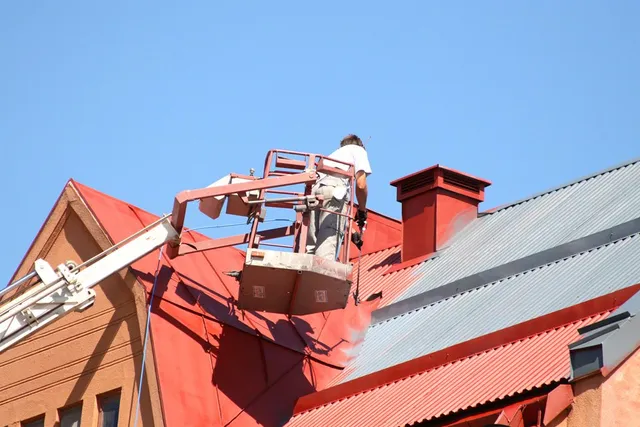

Think of it as diagnosis first, treatment second.
Sometimes the cause is obvious and the fix is simple. Other leaks take more tracking down. If you already know where the problem is, head to our roof leak repairs Newcastle page to see how we fix it.
Some leaks announce themselves with a steady drip into a bucket. Others are much quieter. Keep an eye out for:
If water is near light fittings, power points or downlights, switch off the power to that area at the switchboard and call an electrician as well as a roofer.
Our article on how to identify roof storm damage before it causes interior leaks covers more of the early warning signs.

Every roof is different but the same culprits turn up again and again on Newcastle and Hunter homes.
We keep things simple so you get an answer you can trust.
All work is carried out within official Occupational Health and Safety requirements and we are fully insured, including public liability insurance to the sum of $20m.
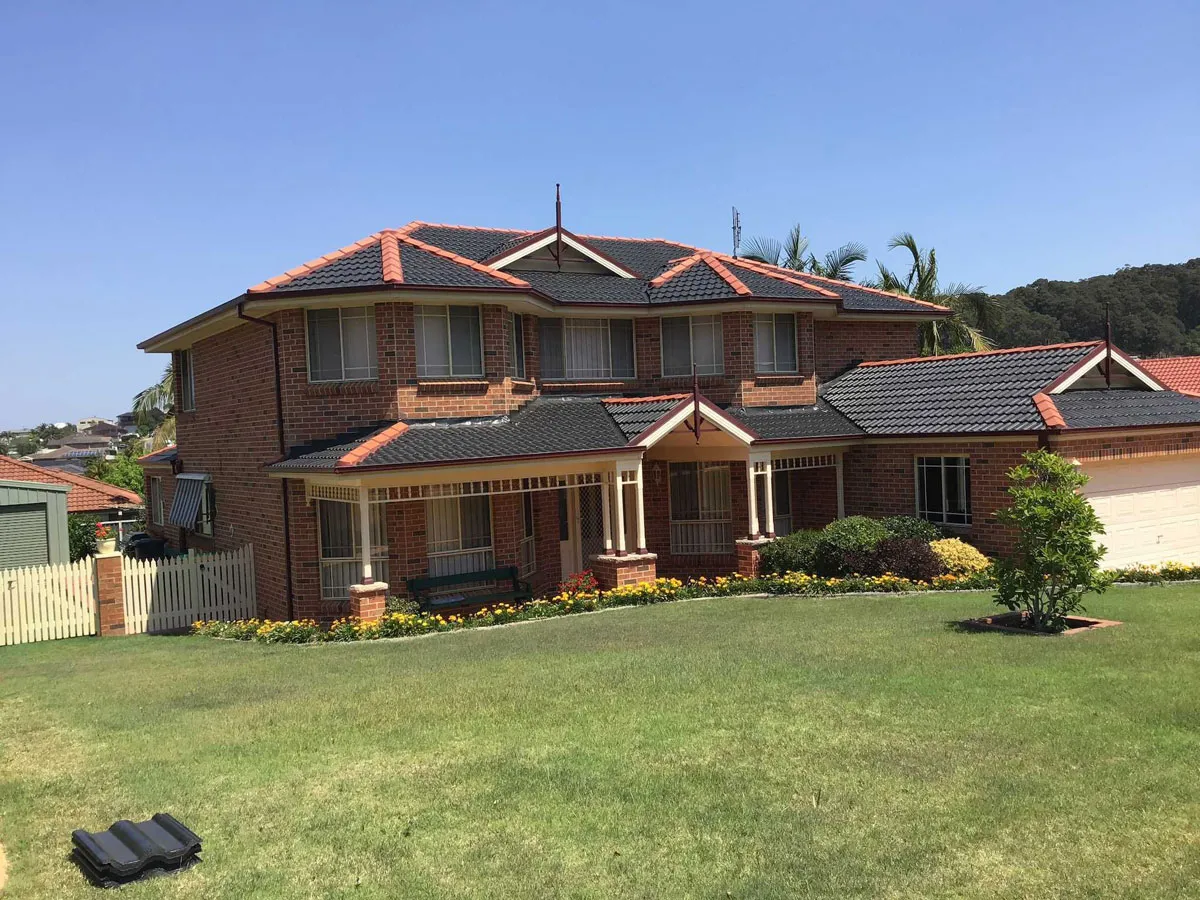
Terracotta and concrete tile roofs usually leak through cracked tiles, failed ridge bedding or pointing, worn valleys and flashings. Tiles that have slipped out of line can also funnel water where it should not go. Moss and lichen can hold moisture and block water channels on older tiles.
Metal roofs, including Colorbond®, tend to leak at fixings, overlaps, flashings and anywhere rust has taken hold. Sheets can also lift slightly in strong winds. Our metal roofing page explains how we repair and restore metal roofs.
Local conditions play a big part in why roofs leak here.
Whether your home is close to the coast or out in the Hunter Valley, we know what to look for.
Contact Us
Do not let a small leak turn into a ruined ceiling. Call Town and Country Roof Restoration on 0409 030 161 or 02 4945 1828, email townandcountryroofrestoration@iinet.net.au or request a free quote online. We will track down the source of your leak and give you honest advice on the best way to fix it.
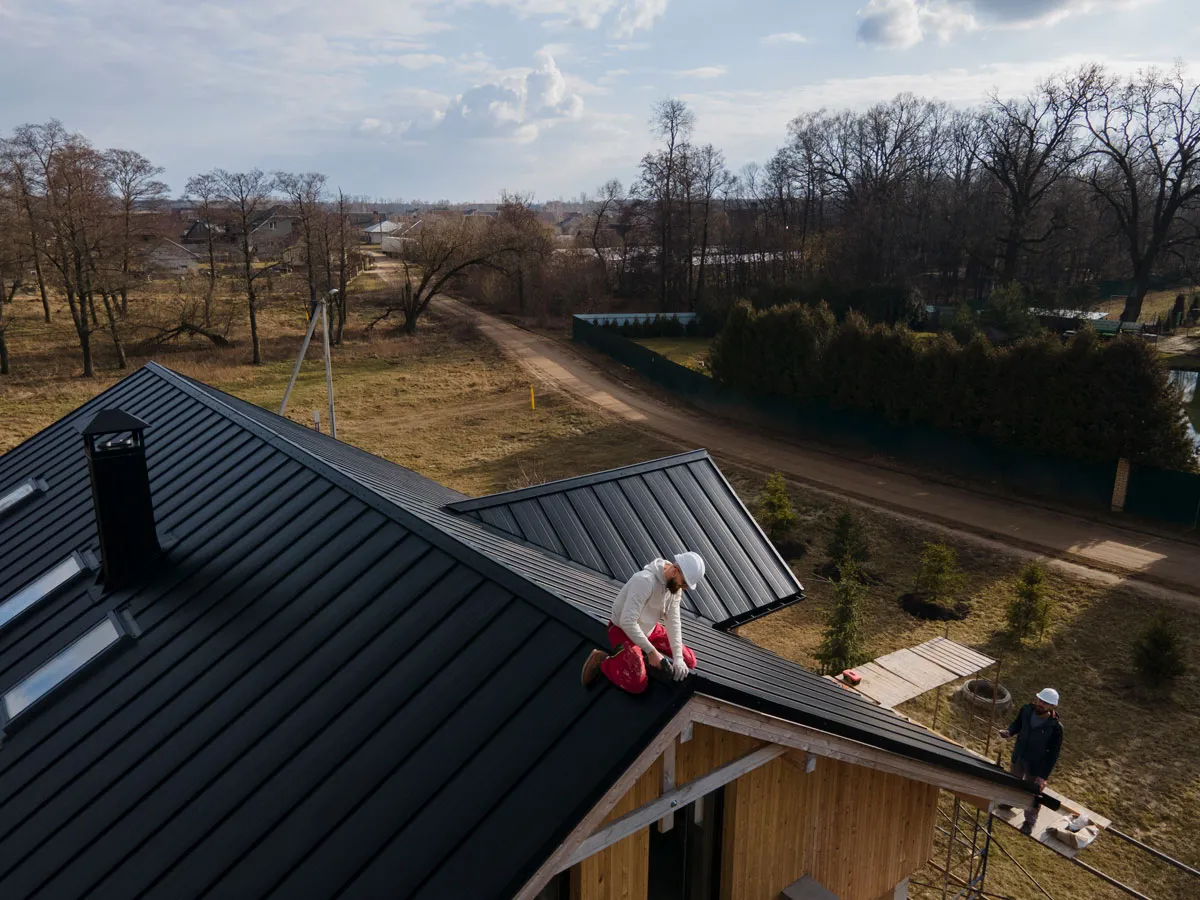
Thinking about a DIY fix? Our guide to DIY roof repair: when to tackle it yourself and when to call a pro is worth a read first.

I recently had my roof restored by Brad and his team and I cannot rate them high enought. From start to finish the guys were professional and we'll mannered. They did an amazing job and we're always courteous, on time and very conscientious about there work and respectful of my property. The price was by far the best I had received and now my roof looks like new again. Excellent customer service and I am very grateful.
Thanks again...

Brad and his team were great. Very professional and reliable and delivered an amazing restoration of my roof. They turned up when they said they would, stayed in constant communication and cleaned up every day. Their price was very reasonable. I trust and highly recommend their company.
Very easy quote prices and a competitive offer.
I was very pleased with the service of this company. All staff were friendly and helpful. Thank you all.


No job and no roof is too big for our team of roofing contractors. We have the experience, skills and equipment to make your roof look and function the way you’d like it to.
Whether you want to paint your roof or remove asbestos, we can help!


