An ageing tiled roof can look tired without needing to be replaced. However, a roof that appears tidy from the street may still have cracked tiles, deteriorating ridge joints or defects beneath the surface. For Newcastle homeowners, the key is determining whether the existing roof remains suitable for restoration or requires more extensive repairs.
Town and Country Roof Restoration can assess the condition of your tiled roof and understand the work involved.
Restoration is worth considering when the tiles remain serviceable and the necessary repairs can be addressed without extensive structural work. A fresh coating alone will not resolve broken tiles, defective flashing or concealed damage. Knowing the difference helps homeowners compare proposals based on the repairs included, the treatment recommended and the limitations of the finished result.
Surface ageing affects a tile's appearance, while physical deterioration affects the material itself. Although both can occur together, faded colour does not necessarily indicate damage and a clean-looking roof is not proof that every component remains in good condition.
A roofing professional can assess the tiles, joints and accessible roof details before recommending restoration. Homeowners should avoid climbing onto the roof or attempting scratch, pressure or water tests themselves. SafeWork NSW provides guidance on working at heights, including managing fall risks when accessing roofs.
Fading, staining and uneven colour can make a roof appear worse than its underlying condition warrants. On concrete tiles, the original surface finish may have weathered while the tile body remains serviceable. Dirt and biological growth can also obscure the material, making a reliable assessment from ground level difficult.
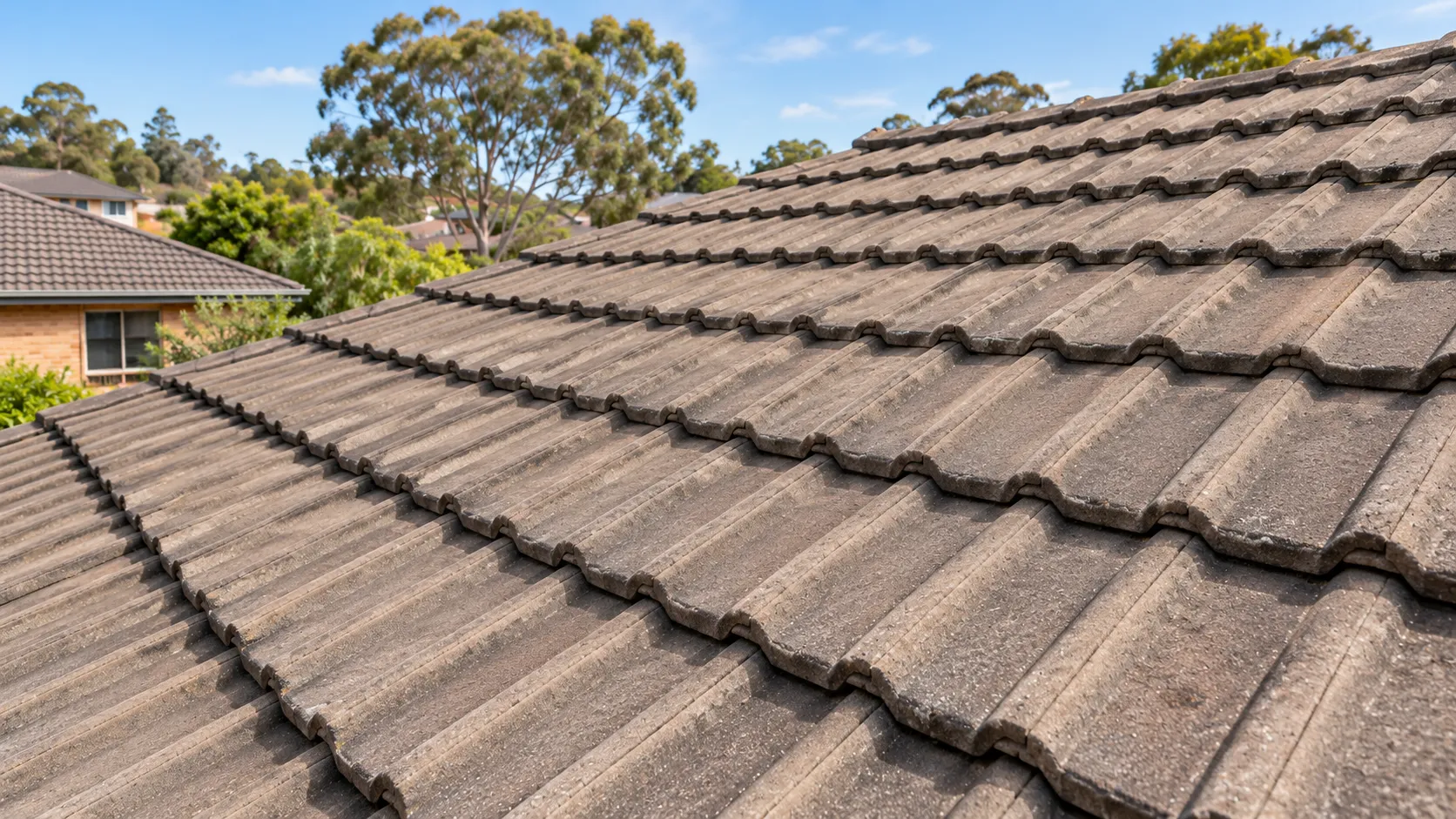
However, an ageing appearance does not automatically mean the roof needs only cleaning and coating. Tile edges, overlaps and concealed areas can reveal problems that are not obvious from the street. These details matter because tiled roofs shed water through the shape and arrangement of the tiles, rather than relying solely on a uniform surface finish.
Tile porosity also needs to be assessed in context. Some moisture absorption is a characteristic of the material, so an older or absorbent tile should not automatically be classified as defective. The contractor should explain whether the concern relates to surface weathering, deterioration of the tile body or another component.
Cracks, broken corners and missing pieces indicate physical damage rather than ordinary fading. Defects affecting tile overlaps or the way individual tiles sit against neighbouring pieces can compromise the roof covering and allow water to enter.
Flaking also requires careful assessment. Deterioration of an applied surface finish is different from the tile material itself breaking away. The extent and cause of the damage help determine whether the tile can remain in place or needs replacement.
For properties exposed to coastal conditions, salt exposure, wind-driven rain and the property's position can influence inspection priorities. However, these conditions do not establish the cause of a particular defect. The discussion of common tile roof problems in coastal areas provides additional context for the issues a professional may investigate.
Concrete and terracotta tiles have different material characteristics and treatment requirements. Concrete tiles may have a weathered surface finish over a serviceable body, while terracotta tiles have a fired surface that may be glazed or unglazed.
The recommended treatment should suit the tile material, existing finish and overall condition. Previous coatings, surface preparation and product compatibility also affect whether a new finish is appropriate.
Before approving the work, homeowners should ask why the recommended treatment suits the existing roof. A professional assessment should establish whether the tiles are suitable for restoration rather than assume that every tiled roof will benefit from the same process.
Tiled roof restoration involves more than improving the visible finish. Depending on the roof's condition, the work may include replacing damaged tiles, addressing ridge defects, repairing roof junctions, preparing the surface and applying a suitable coating.
The appropriate scope depends on the extent of deterioration and whether the underlying roof remains serviceable. When comparing roof restoration in Newcastle proposals, homeowners should check that each supplier has identified the necessary repairs separately from the proposed surface treatment.
Tiles retained during restoration need to be suitable for continued use. They do not need to look new, but their condition must support their ongoing role in the roof covering.
A few isolated damaged tiles among otherwise serviceable material may be suitable for repair and restoration. Widespread cracking, extensive material deterioration or repeated failures may indicate that more substantial work is necessary. In these circumstances, applying a coating could improve the appearance without addressing the condition that makes the roof unreliable.
Existing coatings also require assessment. If the current finish is poorly bonded or deteriorating, simply applying another layer may not produce a durable result. Proper preparation and compatible products are essential and the contractor should explain any limitations identified during the inspection.
Damaged tiles may need replacement where suitable alternatives are available and the surrounding roof remains serviceable. Replacement tiles should match the existing profile and fit correctly, rather than being selected on colour alone.
Ridge components also require individual assessment. Ridge tiles, the bedding that supports them and the pointing that finishes the joints perform different functions. Cracked pointing does not necessarily indicate damaged ridge tiles, while loose bedding may require more extensive repairs.
The proposed work should identify the actual defect and explain how it will be addressed. Homeowners should also clarify how additional damage discovered during restoration will be assessed and priced before further work proceeds.
Roof junctions, penetrations and valleys help direct water away from vulnerable areas. Damaged flashing, missing material or defective junctions require suitable repairs rather than a coating intended to conceal the problem.
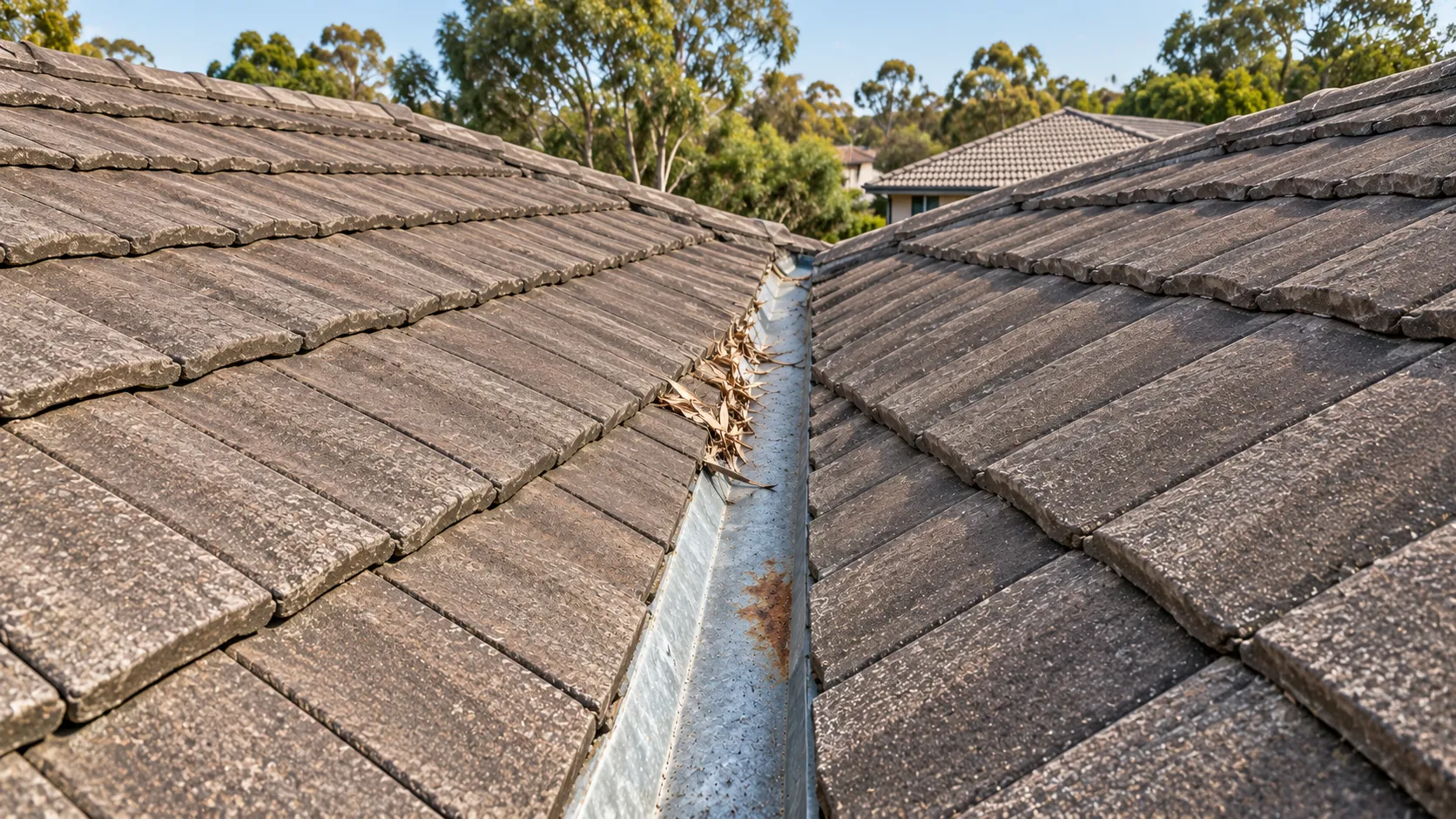
Valleys are important because they collect and direct water independently of the tiles besides them. The condition of the valley material and its surrounding details should be considered as part of the roof assessment. Reading about signs your roof valley needs repair or replacement can help homeowners understand the questions to ask when a defect is identified.
A detailed proposal should distinguish tile replacement, ridge repairs, flashing and valley work from surface preparation and coating. This makes it easier to compare quotes accurately and identify whether a lower price reflects a smaller scope of work.
A restored exterior does not automatically resolve defects beneath the tiles or within the supporting structure. Underlay, timber supports, connections and other concealed components require separate consideration where problems are suspected.
The extent of an inspection depends on the roof's design, accessibility and the work being proposed. Homeowners should know which components have been assessed, which remain unverified and whether further investigation is necessary before restoration begins.
Where roof underlay or sarking is present, it provides a layer beneath the tiles that can help manage moisture and protect the roof space, depending on its design and installation. An external coating cannot repair a torn, deteriorated or discontinuous underlay.
The condition of concealed materials may not be visible during a surface inspection. If the roof has a history of leaks or there are signs of moisture inside the building, further investigation may be needed to establish the source.
Water entering a ceiling space can originate from several locations. Replacing a damaged tile may resolve one entry point while a separate defect remains. The discussion of why some roof leaks keep coming back after repair provides further context for recurring leaks.
A restoration proposal should not imply that a renewed exterior proves concealed components are sound. If underlay has not been inspected, that limitation should be made clear.
Sagging roof lines, displaced tiles and recurring cracks may indicate problems beyond surface weathering. Possible causes include deteriorating supports, connection failures or movement elsewhere in the building. These signs require appropriate investigation rather than a cosmetic treatment.
Coatings cannot straighten supporting timber or correct structural movement. If a roofing professional identifies a possible structural concern, restoration may need to be postponed until a building professional or structural engineer has assessed the issue.
This distinction is important when damage continues to appear after repairs. Addressing the visible symptom without investigating its cause may leave the underlying problem unresolved.
Restoration can improve the appearance of a suitable tiled roof and address selected defects, but it does not turn older materials into new ones. Differences in texture, previous weathering and replacement tile colour may remain visible after the work is complete.
The decision between restoration and replacement depends on the overall condition of the roof, the extent of tile deterioration, the number and type of repairs required and any concerns involving concealed materials or structural components. A roof with isolated damage may remain a good restoration candidate, while widespread deterioration or underlying defects may justify more extensive work.
Before accepting a proposal, homeowners should confirm which defects will be repaired, which components will remain and whether any separate work is recommended. They should also understand whether the quoted outcome concerns appearance, physical repairs or both.
Town and Country Roof Restoration can explain the proposed scope of work in relation to the roof's assessed condition, including the limitations of any recommended treatment. A clear assessment helps homeowners compare restoration options realistically, address identified defects and make a decision about the next steps for their tiled roof.
No job and no roof is too big for our team of roofing contractors. We have the experience, skills and equipment to make your roof look and function the way you’d like it to.
Whether you want to paint your roof or remove asbestos, we can help!

